You bought your tickets months in advance, planned everything down to the last detail, know the entire setlist by heart — and then, just a few days before the show, you open the weather app and there it is: rain is in the forecast.
I understand exactly how that feels. My very first concert, Bon Jovi, in October 1995 in São Paulo, Brazil, went exactly like that. I was seated in the “covered” section — which, as it turned out, covered nothing at all. I left completely soaked, but the smell of the rain and the glow of the stage are still part of my memory, along with a scrap of that ticket that, by some miracle, survived the night in my pocket.

Rain at a concert is not the end of the world. You can still have a great time, and with a bit of good humor, the whole experience can even become something to look back on fondly. To be clear, I’m not talking about a storm here. Heavy rain combined with strong wind absolutely can be a reason for a show to be canceled, for the safety of both the audience and the band.
What matters most is being prepared. In this guide, I’ll walk you through what to pack, what to wear, and what to buy before heading to a concert with rain in the forecast — plus what to do if it catches you by surprise.
Will the show be canceled because of the rain?
This is usually the first question people ask when they’re going to an outdoor concert with rain in the forecast. It’s actually rare for a show to be canceled just because of rain. What can interrupt or delay a performance is the risk of lightning near the venue, or structural risk, such as strong wind affecting outdoor stages and screens. Steady, moderate rain is rarely a reason for cancellation.
Concert Cancelled? Here’s How to Deal With It
How to handle a concert in the rain
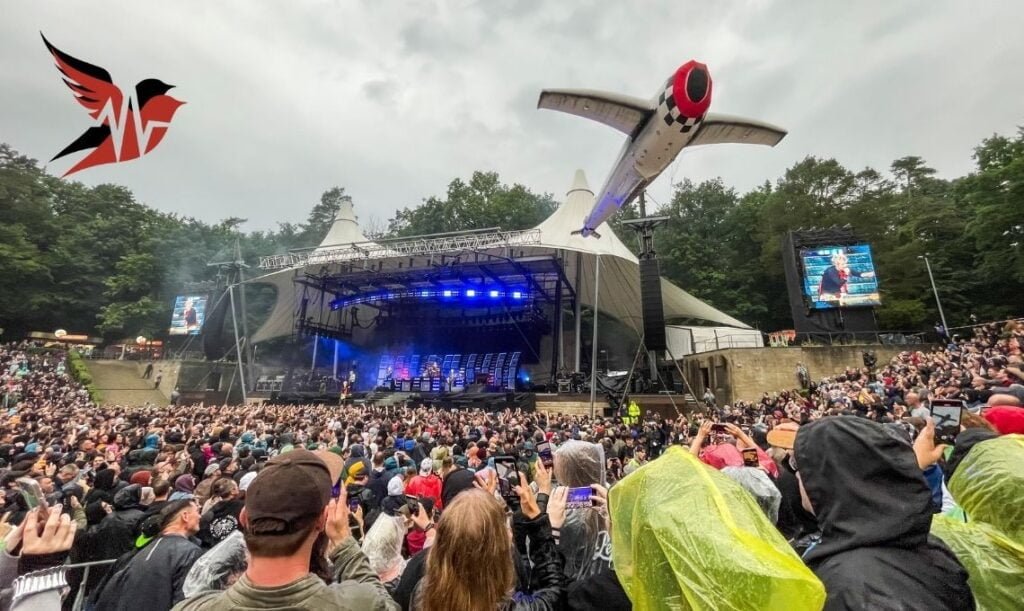
The first step is accepting the weather conditions and thinking ahead so you can plan around them. Most of the discomfort from rain comes down to feeling cold, wearing heavy wet clothes, having damp feet, and worrying about your belongings getting ruined. Once you’ve solved for those, the rain becomes just another detail of the night — and I’ll show you how to do exactly that throughout this article.
Another important tip: plan to arrive early. This helps you avoid the traffic and chaos that rain tends to cause, gives you time to scope out any covered areas for a strategic break, and lets you use the restroom before the rain picks up.
This matters even more at stadiums and festivals, where a large part of the crowd is exposed to the elements for most of the event. Arriving early also means you get to find a good spot before the crowd fills in.
What to pack for a rainy concert


It’s worth stating the obvious, because in the rush of getting out the door, something always gets left behind:
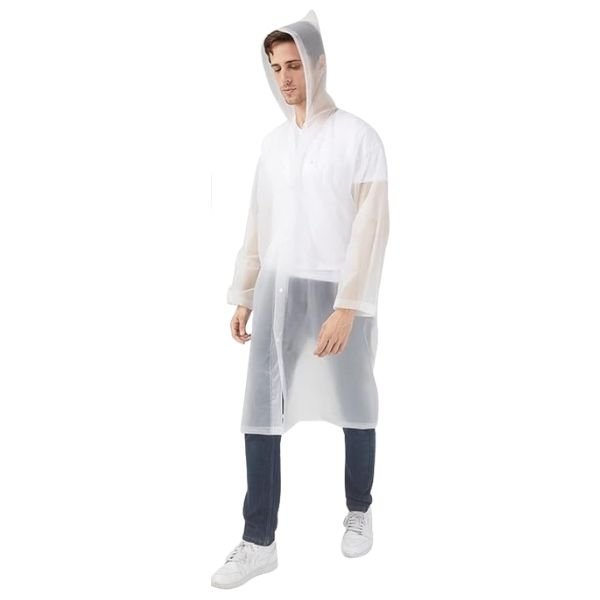
Rain poncho or raincoat: go for a compact model with a hood that’s easy to put on.
Resealable plastic bags (like ziplock bags): bring two or three. They’re perfect for keeping your ID, cards, cash, phone, and power bank dry.
Tissues: handy for drying your glasses or wiping your face and hands.
A spare pair of socks: pack an extra pair inside a plastic bag.
A hair tie: if you have long hair, a low ponytail or bun during the show helps keep it from getting too tangled afterward.
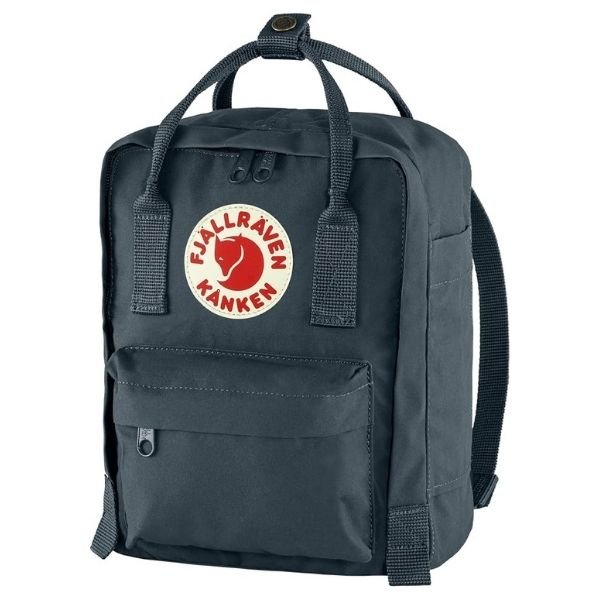
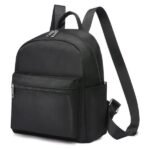
A waterproof bag or backpack: if you have one, even better. If not, put anything important into small plastic bags. Just be sure to check the venue’s rules first, since some shows and festivals have restrictions on bag size and type.
A protected power bank: bring a portable charger to make sure your phone stays charged, especially for emergencies, and keep it inside a plastic bag too.
If you’re traveling from another city just for the show and heading back the same night or the next day, it’s worth saying clearly: always pack a full change of clothes and leave it at your hotel. Whatever you wore to the concert might not be dry by the next morning.
Best power bank for concerts: what to look for before you buy
What’s the best raincoat for a concert?
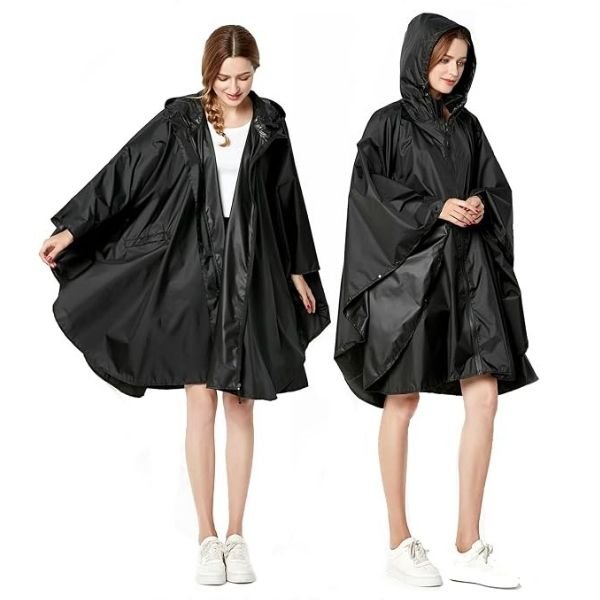
A poncho-style raincoat, with a hood and a length down to the mid-thigh or knee, offers more mobility and is quick to put on and take off. It can also cover your backpack and tends to be more breathable, making it a good choice for warmer months. It’s also a much more comfortable option for everyone, including people with physical disabilities. The downside is that, since it’s open at the sides, some of your clothing can still get a little wet.
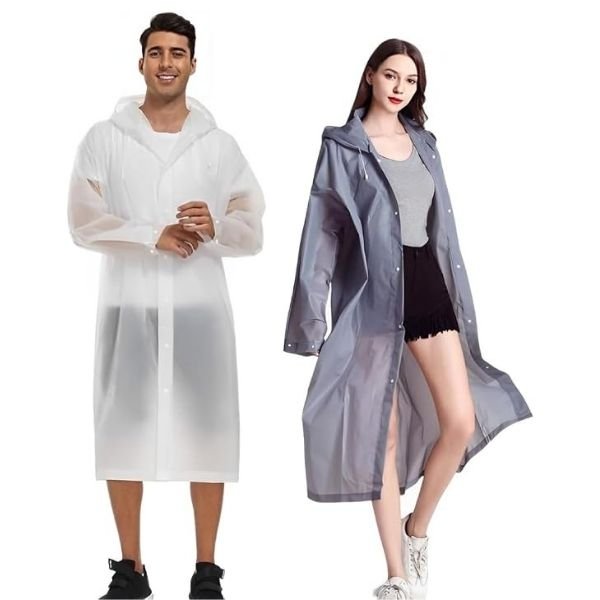
Sleeved raincoats, on the other hand, protect your clothes much better and are more comfortable on days when the rain just won’t let up. They usually have front buttons, a drawstring hood for a more precise fit, and, ideally, elastic cuffs to keep water from getting in when you raise your arms. This is a great option for colder days, since the closed design helps retain body heat.
Are there raincoats designed for women?
Yes, although most of the functional, best-selling raincoats are unisex. For those looking for something that’s not just practical but also stylish, there are models with a fitted waist, available in various colors and patterns – but can be a bit harder to find.
Another option for anyone who wants to skip the plastic raincoat altogether is wearing waterproof (or water-resistant) pants and a jacket instead. They can replace a raincoat entirely and offer more comfort, as long as the rain isn’t too heavy or constant.
Disposable or reusable raincoat: which one is worth buying?
My personal opinion is that a reusable raincoat is always the better investment. First, because a disposable one turns into trash almost immediately. Second, because reusable options are often affordable, and once dry, you can keep it for a future concert, a football match, or a trip.
Disposable raincoat: solves the problem in the moment, but tears easily and clings to your body. Not very comfortable. It tends to be the emergency choice, bought right at the venue’s entrance, and can end up costing more than it’s actually worth.
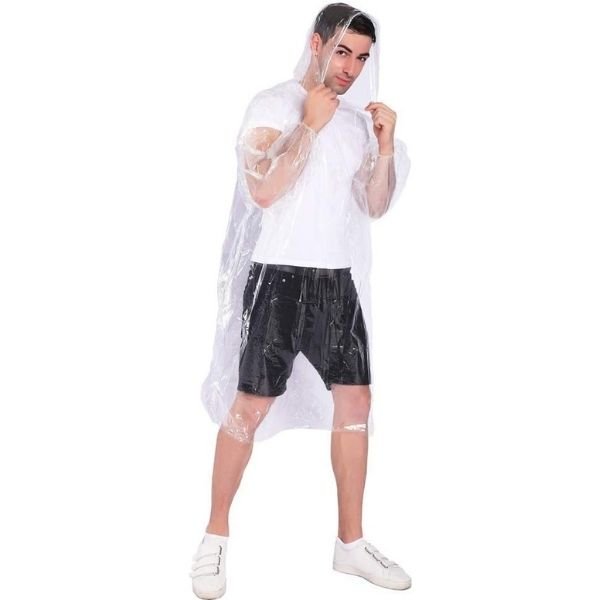
Reusable raincoat: the material isn’t top quality, but it holds up for several uses and is more comfortable. For anyone who travels to see concerts, it’s the better choice.
Where to buy a raincoat for a concert
The worst decision is waiting to buy a raincoat right at the venue entrance. Prices spike in the minutes before the gates open, especially once it’s already raining, and the quality of the material tends to be poor.
So plan ahead and buy online instead. That way, you can check other buyers’ reviews, get a more durable product, pay a fair price, and have it delivered straight to your door.
Travel 2 Concert is an Amazon affiliate. When you buy something through the links in this article, you help keep the site running at no extra cost to you.



No raincoat? Here’s what to do
If the rain catches you off guard, your best bet is to improvise with a large trash bag, with holes cut out for your head and arms. It won’t protect your head, but it will at least keep your body dry and warm.
Street vendors and small shops near the venue usually sell disposable raincoats, as mentioned earlier. It’ll cost you more in that situation, but at least you’ll stay comfortable for the rest of the night. It’s absolutely worth it, especially for long concerts or festivals.
Can you bring an umbrella into a concert?
In practice, no. This applies to most major concerts and festivals around the world. In a packed crowd, umbrella ribs can injure someone nearby, and they also block the view of the people standing behind you.
So always go with a raincoat instead. Besides being much easier to move around in within a crowd, it’s accepted pretty much everywhere.
What to wear to a concert in the rain
Wearing the wrong clothes makes everything uncomfortable once they get wet, and it can make the rest of the night feel a lot longer than it actually is.
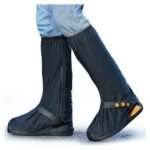
Avoid jeans: wet denim gets heavy, chills your skin, and takes forever to dry. Go for natural-fiber pants like sweatpants or leggings, or synthetic fabrics, such as polyester blends, which dry much faster.
Dress in layers: a cotton or technical-fabric t-shirt underneath and, if the weather calls for it, a long-sleeve top tied around your waist. If you have a lightweight, waterproof jacket with a hood, even better. The key is choosing pieces that are easy to take off and put back on, since you can go from feeling cold to feeling warm several times over the course of the night in a crowd.
On your feet: leather boots or waterproof sneakers are your best bet. If you don’t have either, go with closed, comfortable shoes with a non-slip sole. Avoid breaking in brand-new shoes on the night of a big show, since you don’t want to risk hurting your feet, especially with the extra moisture. If you don’t like the feeling of wet feet, wrap your sneakers in a plastic bag.
Tied-back hair: if you have long hair, a low ponytail, a braid, or a bun will help you avoid discomfort and tangles by the end of the night. A cap or hat also helps keep your face dry when the rain picks up.
Rain at a concert is uncomfortable, but it’s the whole experience that stays with you afterward. With the right gear and a bit of planning, you can head to the show with peace of mind, have a great time, and enjoy the day without any major worries.

Loved this story? There’s more where that came from.
Join the Travel 2 Concert crew and get fresh stories, hidden venues, and rock travel tips — before everyone else.