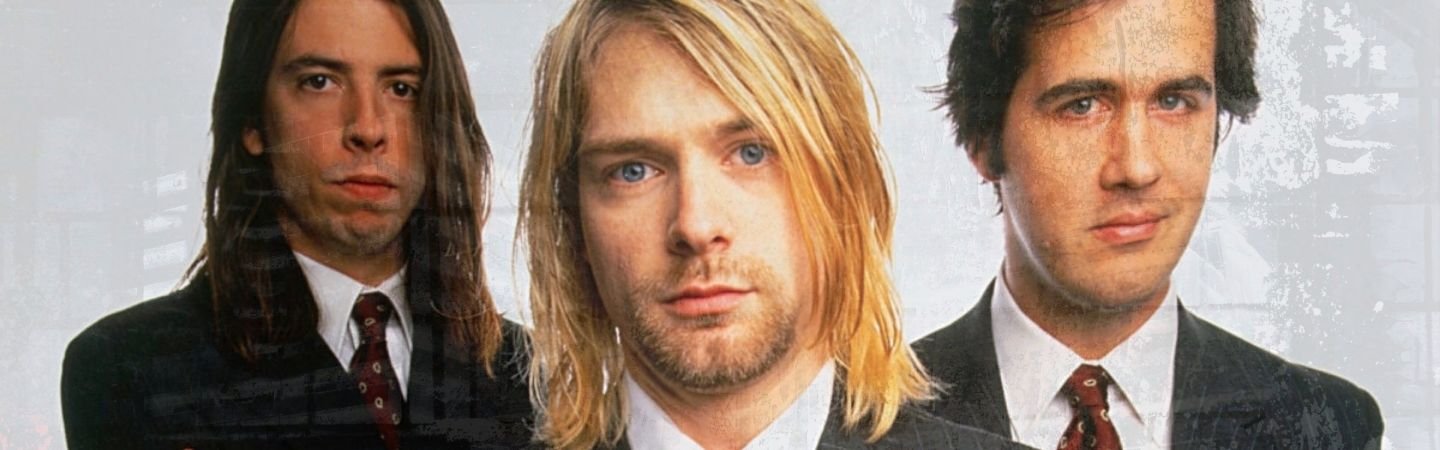
Nirvana existed as an active band for just over seven years, from 1987 to 1994. In that time, they recorded three albums that changed the course of rock: Bleach (1989), recorded on a shoestring budget at Seattle’s Reciprocal Recording; Nevermind (1991), which sent “Smells Like Teen Spirit” onto radio stations around the world; and In Utero (1993), a deliberate response to that success.
Kurt Cobain, Krist Novoselic, and Dave Grohl — and before him, a succession of drummers who passed through the band’s early lineup — built that global trajectory from Seattle. That’s what makes visiting Nirvana’s locations in Seattle more than a sightseeing exercise: it’s a way of understanding the conditions the band worked in, the atmosphere that surrounded them, and the city that shaped their sound. Seattle holds concrete addresses from that story, and this guide walks you through them.
+ SEATTLE GUIDES
– PEARL JAM landmarks
– SOUNDGARDEN landmarks
– MOTHER LOVE BONE landmarks
– ALICE IN CHAINS landmarks
– JIMI HENDRIX landmarks
The Central Saloon: One of Nirvana’s First Shows in Seattle
207 1st Ave S, Seattle
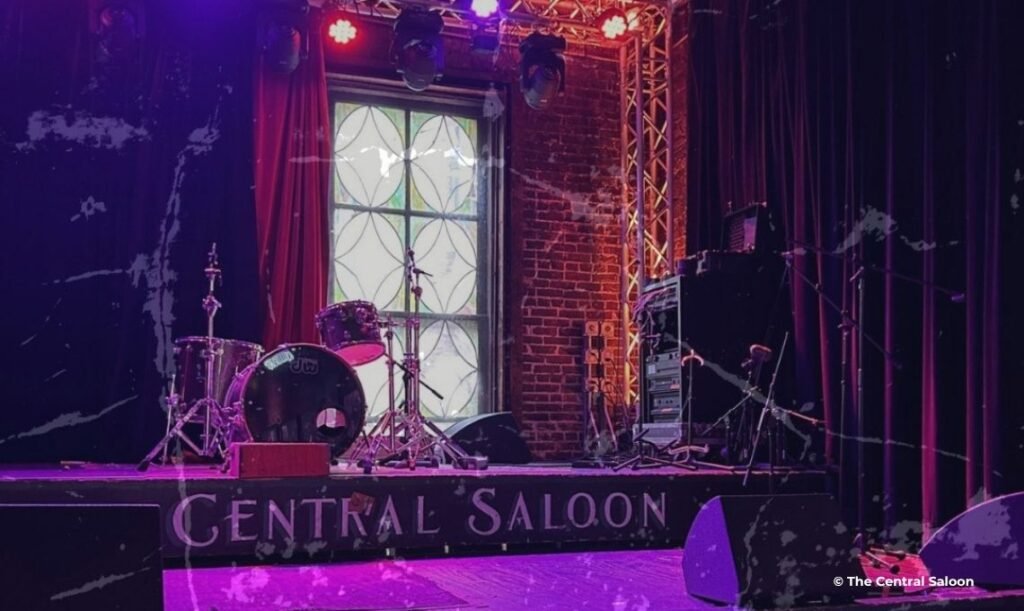
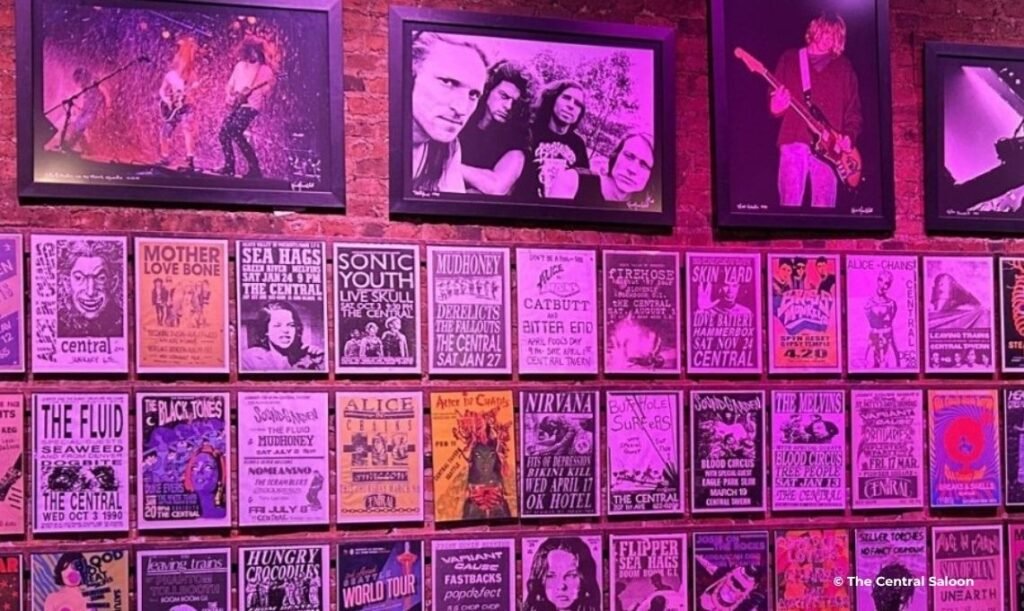
The Central Saloon, in the Pioneer Square neighborhood, was the stage for one of Nirvana’s earliest Seattle performances.
The bar is one of the oldest still operating in the city, dating back to the late 19th century.
Old show photos and posters covering the walls document part of that legacy.
The Central is open daily from 11 a.m. to 2 a.m. — worth a visit, and a drink, or a live show if the schedule lines up.
The Vogue: Nirvana at the 1988 Sub Pop Sunday
2018 1st Ave, Seattle
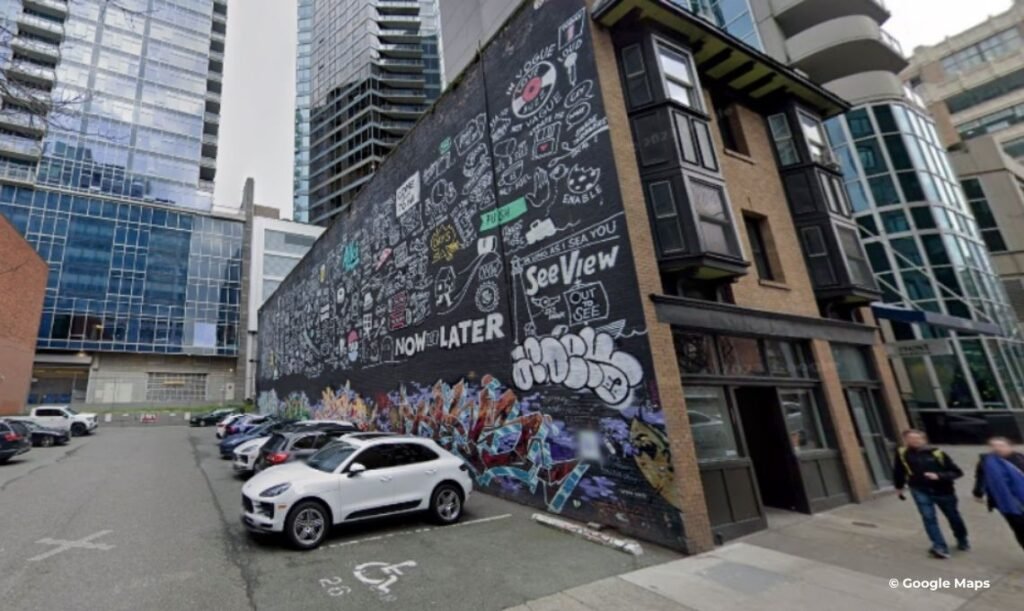
The address at 2018 1st Ave in Belltown now houses a hair salon called Vain, but this is where The Vogue once operated — a nightclub active between 1983 and 2007 and one of the most important venues in Seattle’s underground scene.
On April 24, 1988, Nirvana performed here as part of a night called “Sub Pop Sunday,” organized by the label to showcase its bands. The lineup that night was Kurt Cobain, Krist Novoselic, and drummer Dave Foster.
The building’s structure remains the same, even if what happens inside has changed entirely.
Terminal Sales Building: Sub Pop’s First Office in Seattle
1932 1st Ave, Seattle
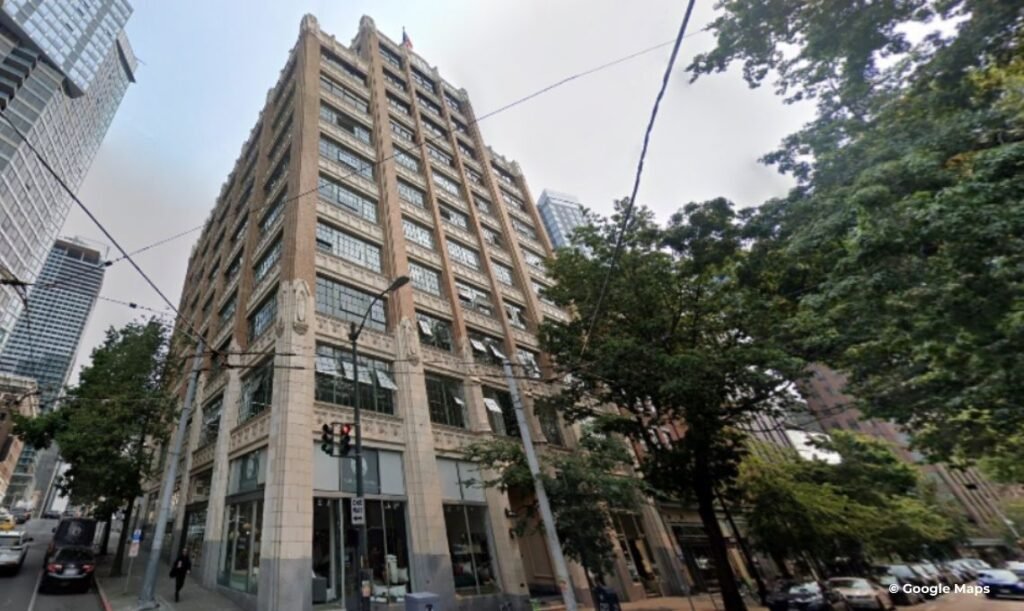
The Terminal Sales Building on 1st Avenue holds, on its 11th floor, the address of Sub Pop’s first office — the independent label that released Nirvana’s earliest singles.
The office opened on April 1, 1988, and the bands that would form the core of Seattle grunge all passed through those rooms.
The building is not open to visitors, but can be seen from the sidewalk. Be discreet when photographing and respectful of those who work and live in the area.
Reciprocal Recording: Where Nirvana Recorded Bleach
4230 NW Leary Way, Seattle
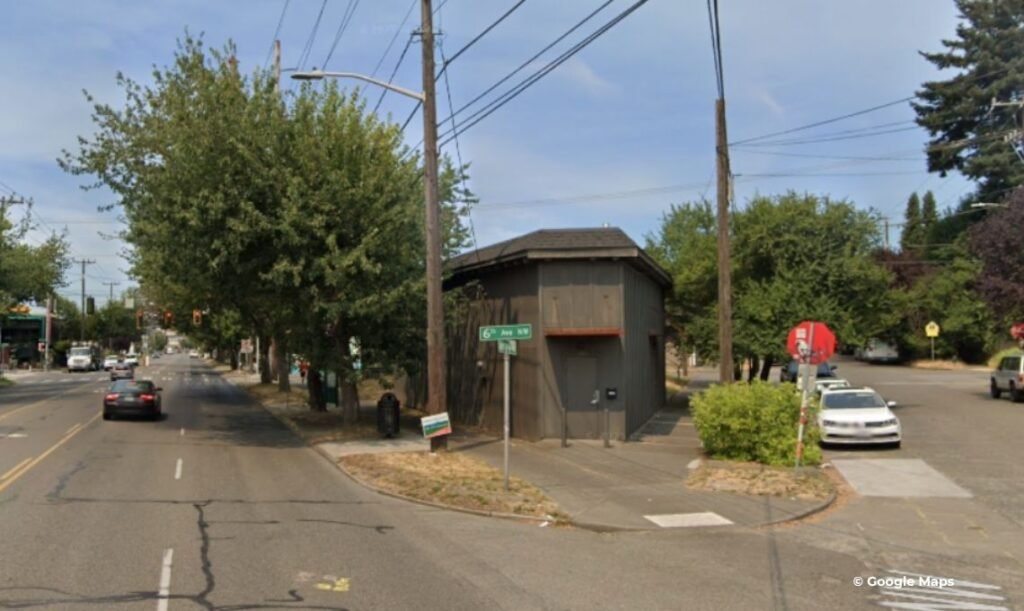
Bleach, Nirvana’s debut album, was recorded between December 1988 and January 1989 at Reciprocal Recording — an independent studio housed in a small, distinctive triangular building on NW Leary Way, run at the time by Chris Hanzsek and Jack Endino.
The sessions lasted 30 hours and cost $606. The album was released by Sub Pop on June 15, 1989.
The studio still exists today, now operating under the name Hall of Justice, and is not open to visitors — but the building’s triangular shape alone makes the trip worthwhile.
Moore Theatre: The Lame Fest and Nirvana in the Sub Pop Era
1932 2nd Ave, Seattle
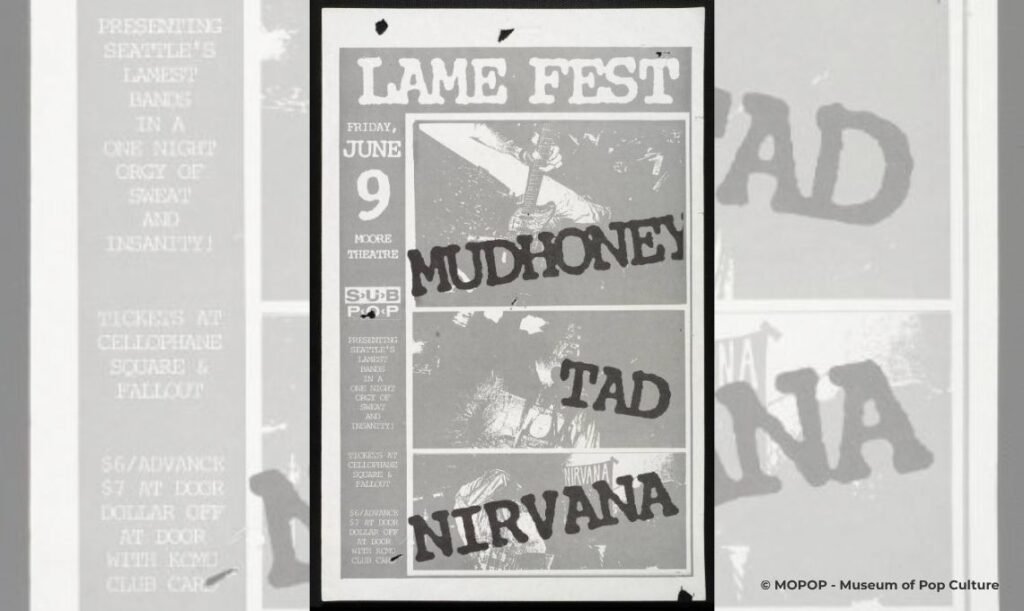
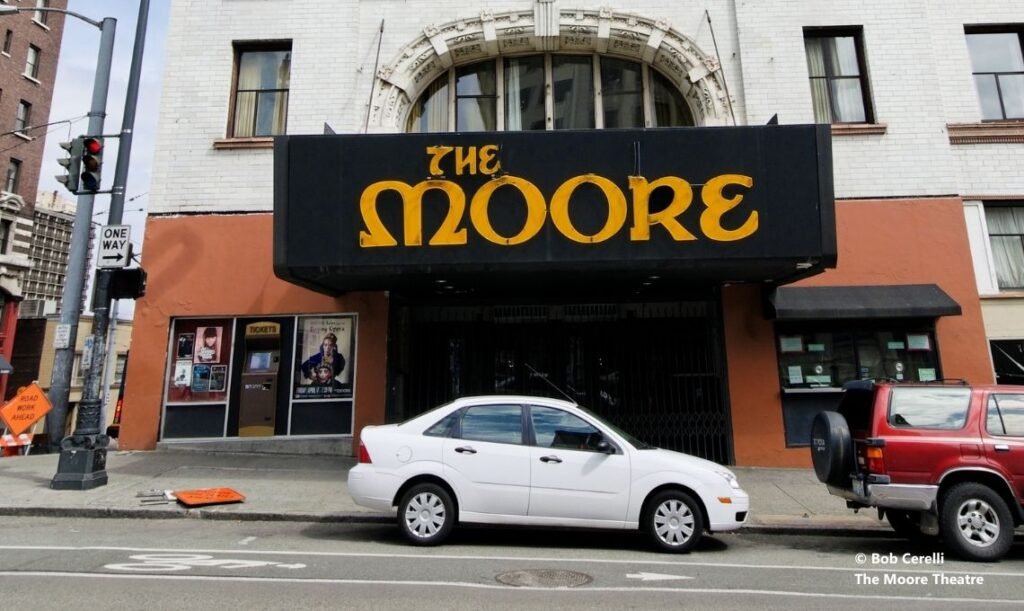
On June 9, 1989, the Moore Theatre was the setting for the Lame Fest — a Sub Pop-organized event that brought Nirvana, Tad, and Mudhoney together on a single bill.
For Sub Pop, it was an unusual occasion: the label typically operated in much smaller spaces, and bringing the scene to a theater with a capacity of 1,800 represented a meaningful shift in scale.
The Moore is still standing and open to visitors. Free guided tours take place on the second Saturday of every month, from 10 a.m. to noon, with advance booking through the theater’s official website.
Paramount Theatre: The Halloween Show of 1991 and Nirvana at Their Peak
911 Pine St, Seattle
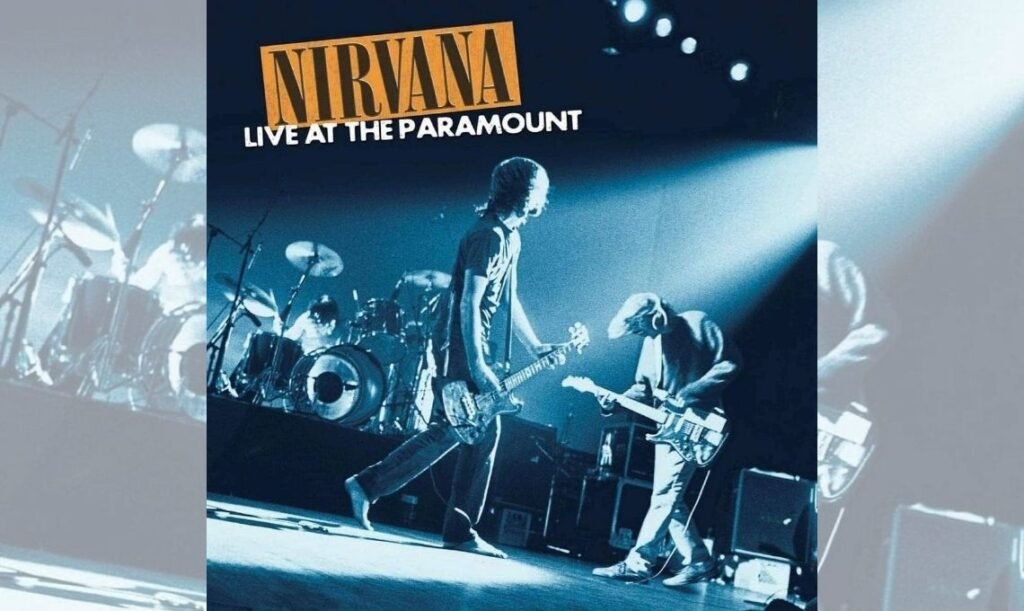
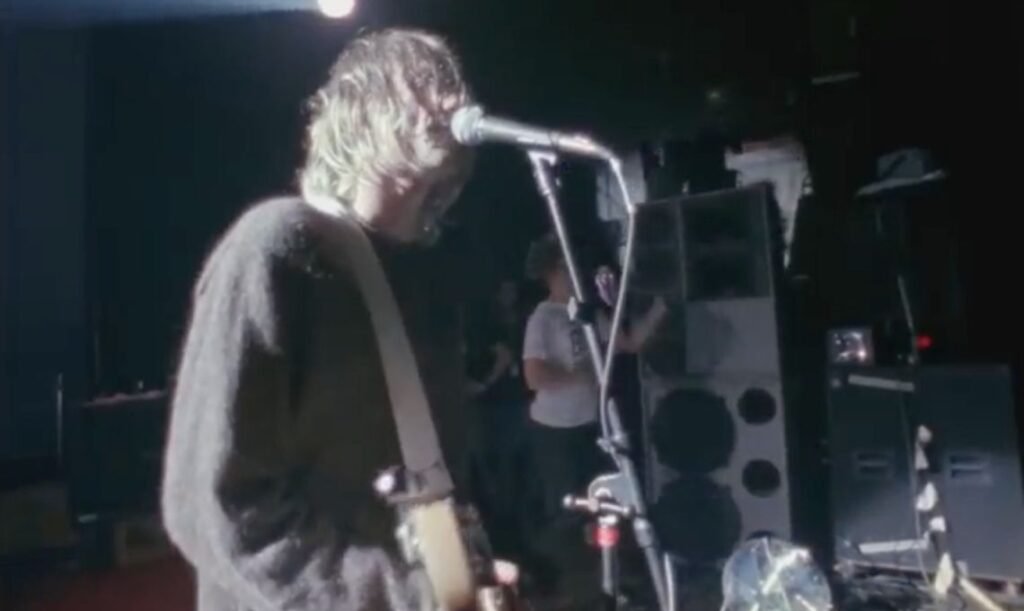
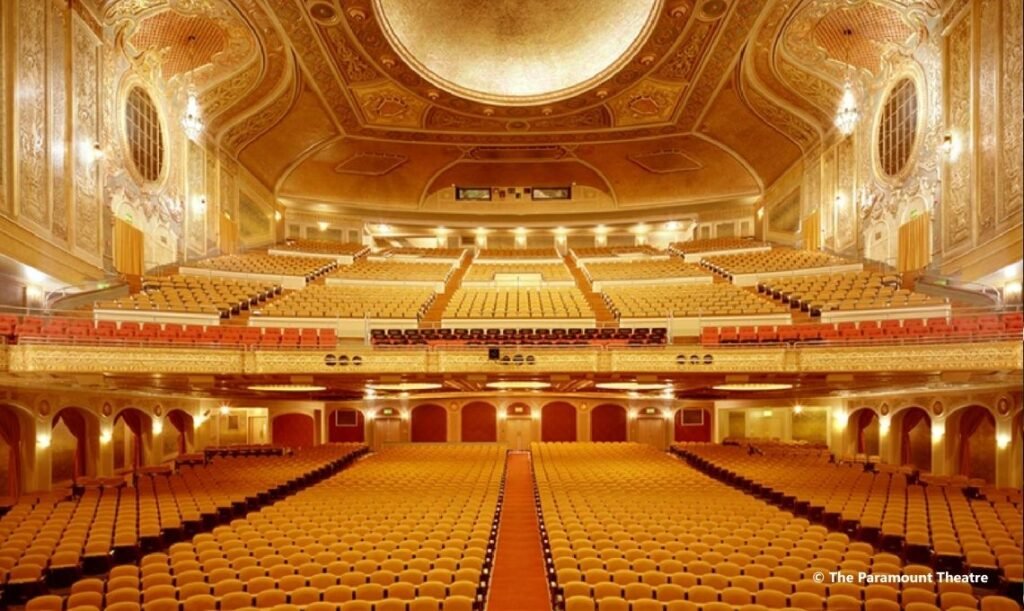
The Paramount Theatre on Pine Street was the setting for one of the most important shows in Nirvana’s history.
On October 31, 1991 — Halloween night — the band performed for nearly 3,000 people in a show later released as Live at the Paramount. The context says everything: the show had originally been planned for the Moore Theatre, a much smaller venue, but the freshly released Nevermind, with “Smells Like Teen Spirit” already on radio stations worldwide, had made that space completely insufficient for the demand.
It was the largest Nirvana show in Seattle up to that point.
The Crocodile: Nirvana’s Secret Show as “Pen Cap Chew“
2505 1st Ave, Seattle
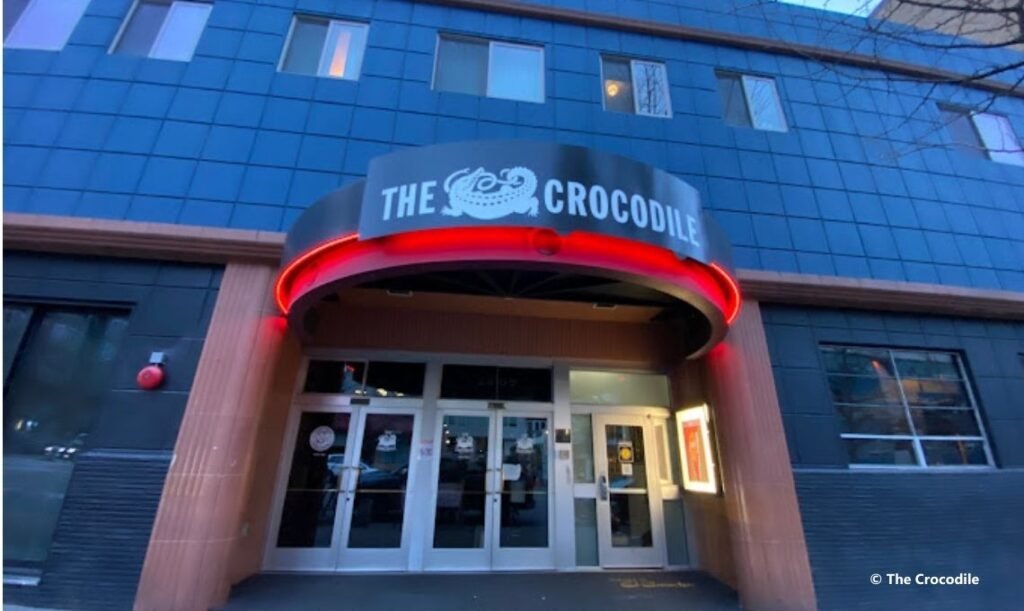
The Crocodile holds one of the most talked-about episodes in Nirvana’s Seattle story.
On October 4, 1992, the band was announced under the fake name “Pen Cap Chew”, opening for Mudhoney, with the audience having no idea what they were about to see. At that point, Nevermind was a year old and Nirvana was one of the most recognized bands on the planet. It was also the last time they performed at The Crocodile.
The venue opened on April 30, 1991, relocated to its current address in 2020, and remains active today.
Sub Pop Store: Where to Buy Official Label Merchandise
908 Alaskan Way, Seattle
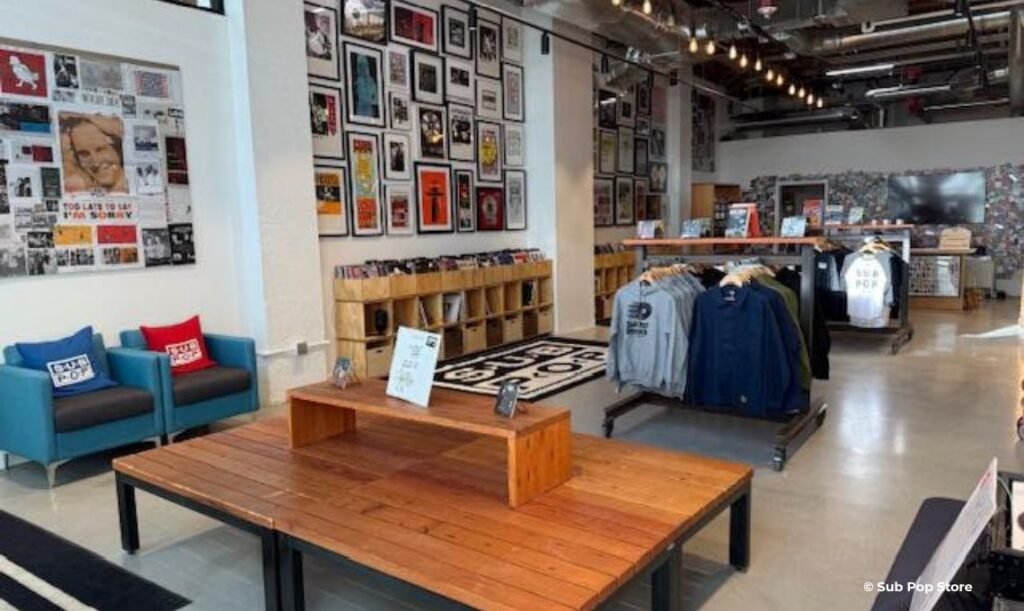
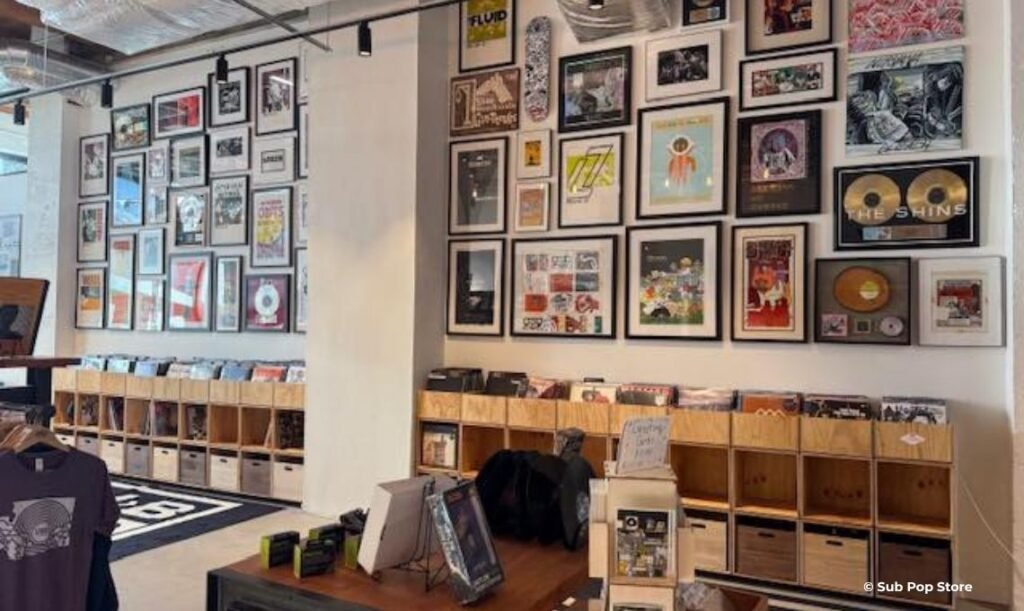
Nirvana’s story runs directly through Sub Pop, the Seattle independent label that released their first singles and helped put their sound into circulation.
The Sub Pop Store, now at 908 Alaskan Way at the Maritime Building, is open daily from 10 a.m. to 6 p.m. Records, t-shirts, and official merchandise are all available — a genuinely Seattle souvenir worth taking home.
MoPOP Seattle: Original Nirvana Items in the Museum Collection
325 5th Ave N, Seattle
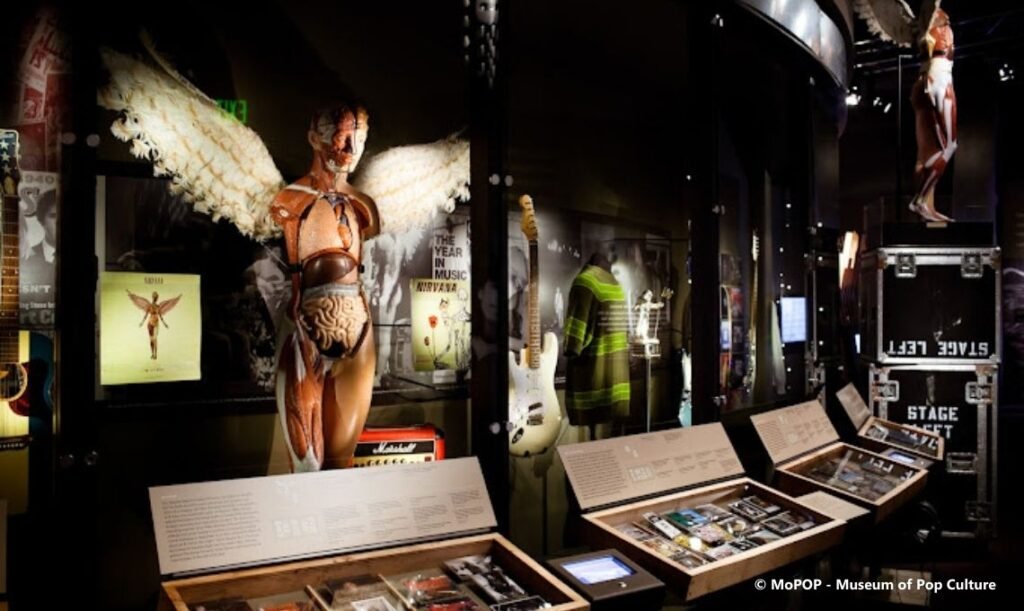
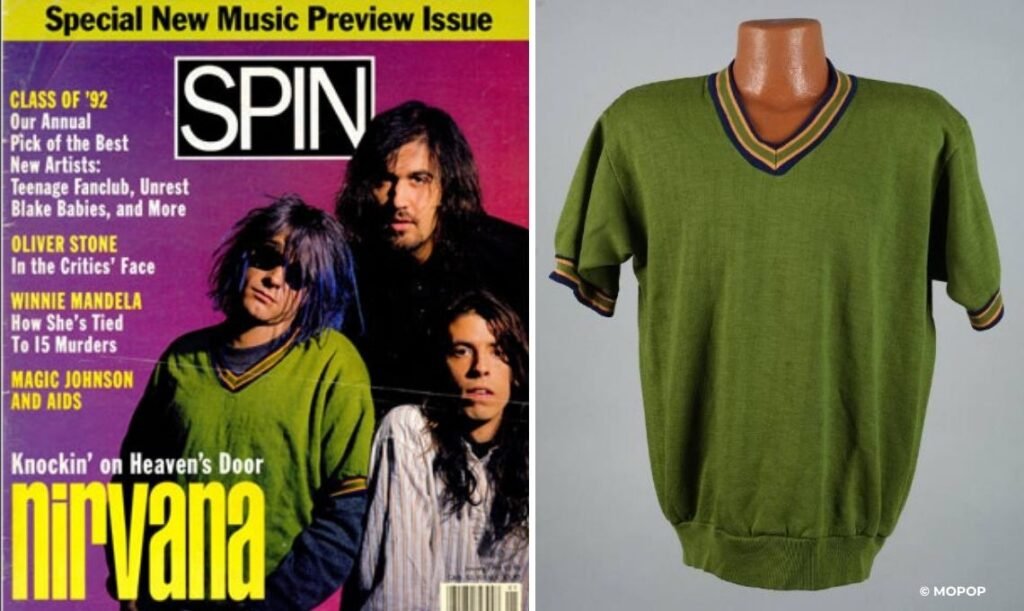
MoPOP hosted the exhibition “Nirvana: Taking Punk to the Masses” for 14 years before it closed in 2025 to make way for a broader future exhibit on Pacific Northwest music.
The museum’s permanent collection includes guitars and clothing belonging to Kurt Cobain — among them the green V-neck sweater he wore for the Spin magazine cover shoot in January 1992 — as well as a setlist handwritten by Dave Grohl for Nirvana’s show in São Paulo, Brazil, in January 1993.
Nirvana items may well reappear in future exhibitions.
Check the museum’s calendar before your visit to see what will be on display during your trip.
Linda’s Tavern: The Last Public Sighting of Kurt Cobain
707 E Pine St, Seattle
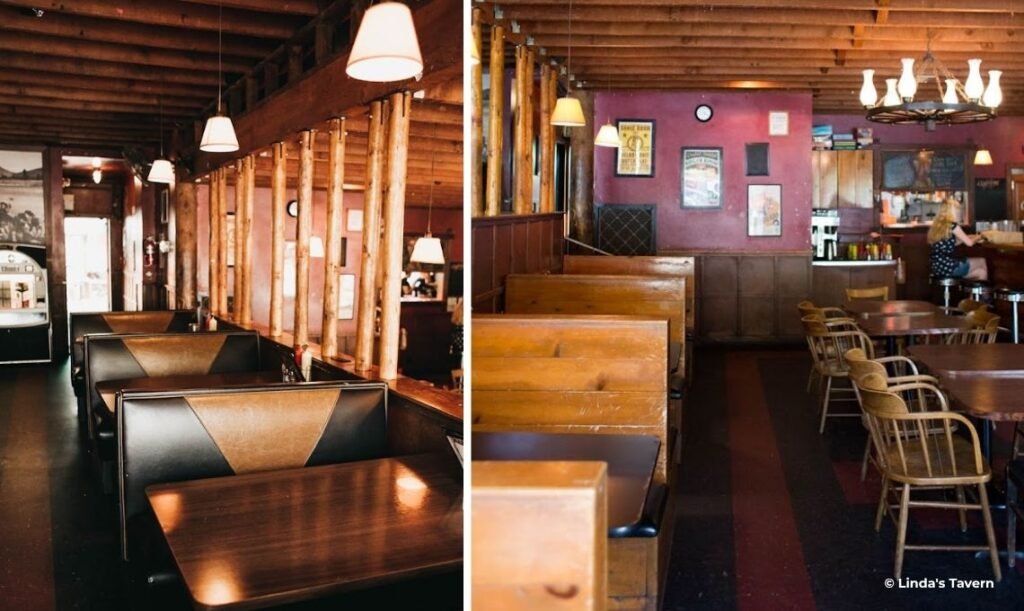
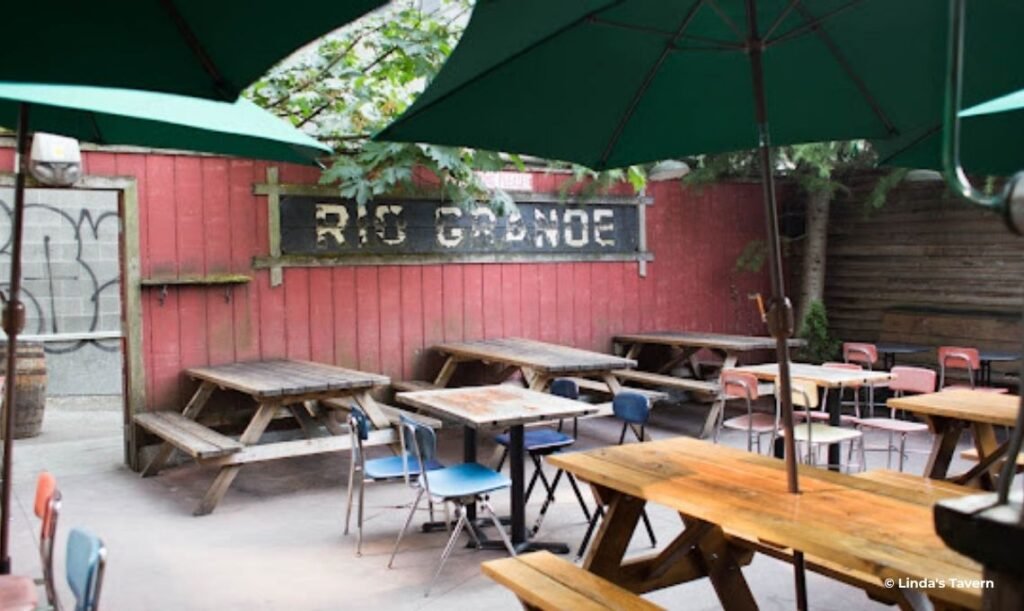
Linda’s Tavern on E Pine Street opened in the 1990s and quickly became a gathering spot for musicians and neighborhood regulars.
Kurt Cobain was seen here in public for the last time in early April 1994, just days before his death.
It’s one of the few bars in Seattle that has preserved its original name and interior from that era.
Kurt Cobain’s Last Home in Seattle
171 E Lake Washington Blvd, Seattle
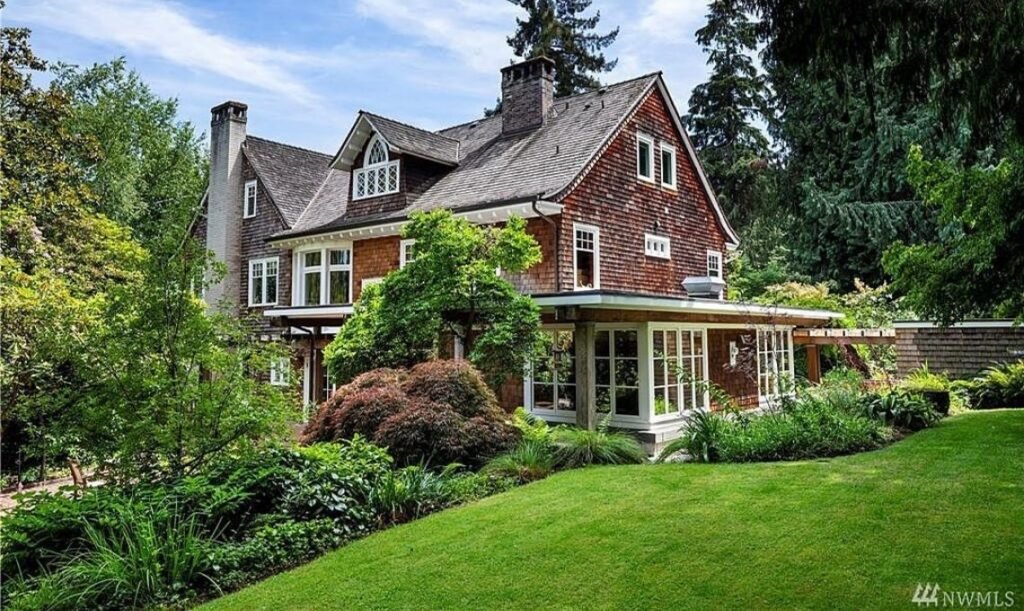
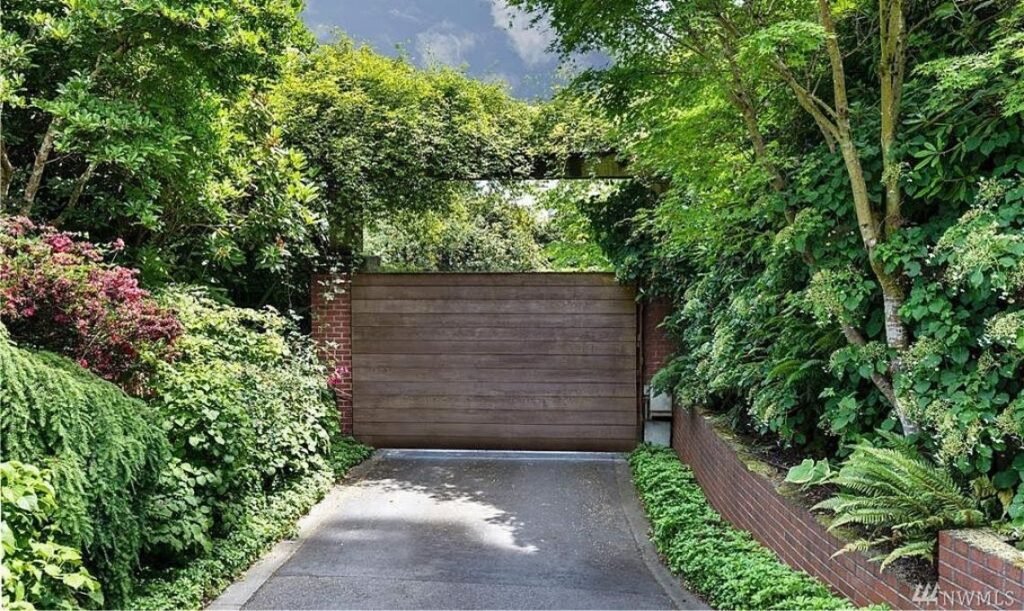
Kurt Cobain’s final home sits on E Lake Washington Boulevard in the Madrona neighborhood, on the shores of Lake Washington.
He purchased it in January 1994 and lived there until his death on April 5 of that year, at the age of 27.
The house is not visible from the street — it sits behind trees and a closed gate, and has had no connection to the Cobain family for more than two decades.
Any visit is made from the outside, with discretion.
The Bench at Viretta Park: The Fan-Maintained Kurt Cobain Memorial
151 E Lake Washington Blvd., Seattle
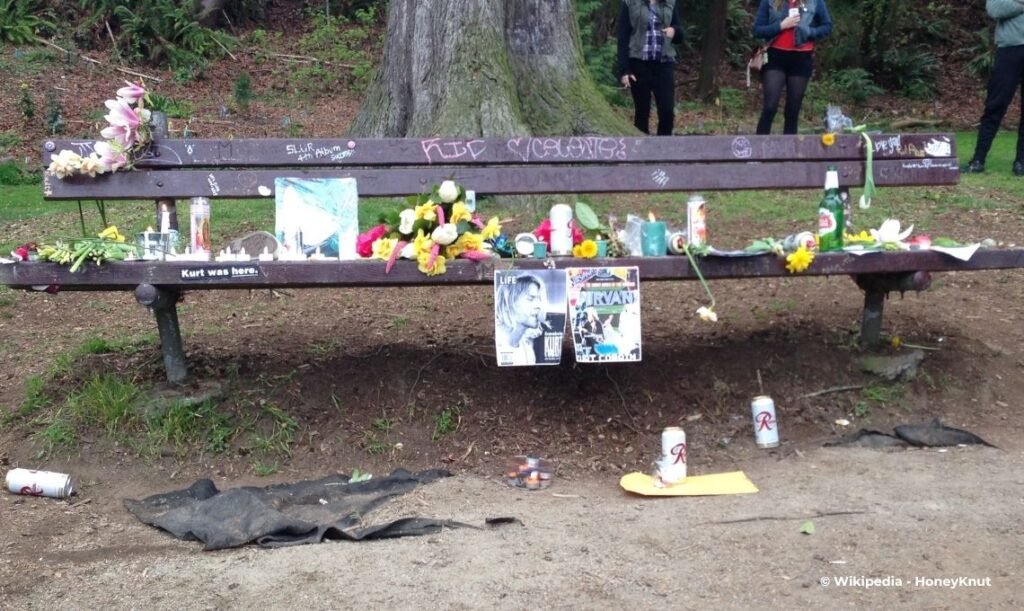
Right next to the house where Kurt Cobain lived, in Viretta Park on E Lake Washington Boulevard, a wooden bench has become over the years a spontaneous, fan-maintained memorial: inscriptions, handwritten letters, flowers, and objects left by people from countries all over the world who have been passing by, day after day, for decades.
The park is public and the area is open to all.
International Fountain: Seattle’s Largest Fan Tribute to Kurt Cobain
305 Harrison St, Seattle Center
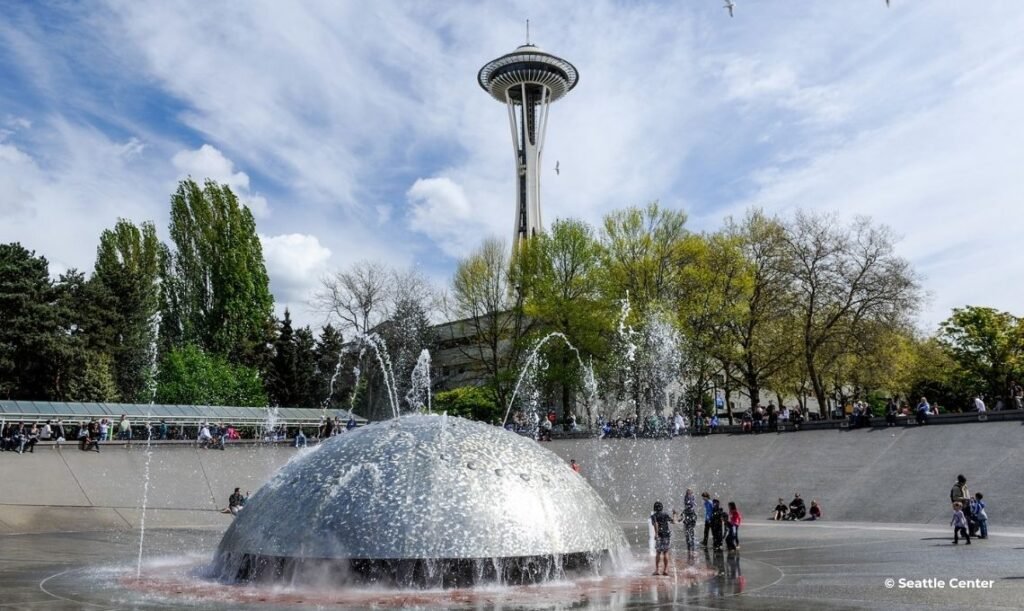
The International Fountain at Seattle Center traces its origins to the 1962 World’s Fair. It was designed with a metal dome and synchronized water jets set to music.
On April 10, 1994, a few days after Kurt Cobain’s death, ten thousand fans gathered here for a memorial. It was in this space that Courtney Love read Cobain’s note aloud to the crowd assembled around the fountain.
The International Fountain remains one of the most visited spots in all of Seattle Center.

Loved this story? There’s more where that came from.
Join the Travel 2 Concert crew and get fresh stories, hidden venues, and rock travel tips — before everyone else.