You bought the ticket months ago. You marked it on your calendar, planned the trip, maybe even booked flights and a hotel. And then, days — or hours — before showtime, the news hits: the concert has been cancelled. So, what do you do?
The disappointment is real, and the frustration is completely valid. If you travelled specifically for this, the blow can be even harder to take.
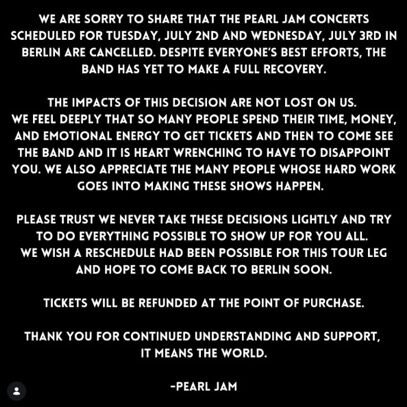
I know how much it hurts. In 2024, I had two consecutive Pearl Jam shows booked in Berlin. Both were cancelled with just a few days’ notice because Eddie Vedder was seriously ill and struggling to breathe. In February 2026, I also followed closely the cancellation of the Alter Bridge show in Rome: it was sold out, fans were already queuing outside the venue, and the show didn’t happen because the stage failed to meet basic safety requirements.
Cancellations happen. Because of illness, technical failures, decisions that are entirely out of our control. And when they do happen, you have two options: let the frustration take over, or find a way to turn things around and limit the damage.
This article is about the second option.
Below is a step-by-step guide on what to do when a concert gets cancelled — from the practical side of refunds to replanning your trip.
1. The Initial Shock: Give Yourself Permission to Be Upset
Before any practical steps, one thing needs to be said: you have every right to be gutted.
A cancelled show is never “just” a cancelled show. It’s an expectation you’ve been building for weeks or months, the money you spent on the ticket, the flights, the accommodation. It’s the holiday you booked or the days off you requested from work. It’s the thrill of finally seeing your favourite band live — and, depending on the musicians’ ages or health history, what might feel like your last real chance.
If you’re feeling a mix of anger, sadness, and disappointment right now, that’s completely normal. Let yourself feel it.
Now, once you’ve processed that — let’s get practical.
2. Understanding Why It Happened
Knowing the reason behind a cancellation won’t undo the frustration, but it can help you work through your feelings — and sometimes bring a sense of empathy that changes how you handle the whole thing.
Artist health issues
This is the most common reason. Musicians spend months on the road, sleeping little, travelling constantly, often playing night after night with barely any rest. The body has its limits.
Pearl Jam cancelled their Berlin shows in 2024 because Eddie Vedder developed a serious respiratory infection during the tour. Twisted Sister also cancelled their 2026 tour dates due to health issues affecting Dee Snider — not surprising, given he’s been at it for over 50 years.
In these cases, the logic is simple: without the artist in a fit state to perform, there’s no show. The best we can do as fans is have empathy and hope for their recovery.
Technical or safety problems
Sometimes the problem isn’t with the band — it’s with the venue.
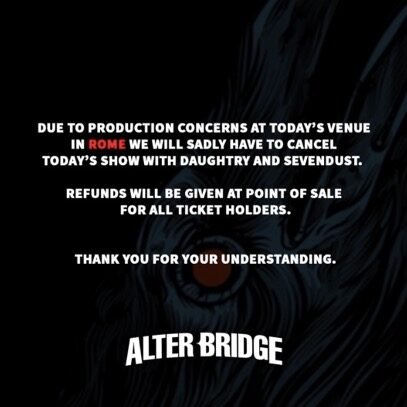
Alter Bridge cancelled their Rome show in 2026 because the stage didn’t meet the necessary safety standards for the performance. Their manager posted photos on social media so fans could see the condition of the structure, which posed real risks to both the band and the audience. Ghost also cancelled a Madrid date in 2025 because the venue’s stage couldn’t support the production’s set design.
When a venue has a history of cancellations due to safety issues or missing documentation, that’s a genuine risk factor. It’s worth keeping in mind before directing your frustration at the band — who often only discover serious structural problems during their own on-site inspection. In these cases, the cancellation exists to protect everyone from a potential disaster.
Bereavement
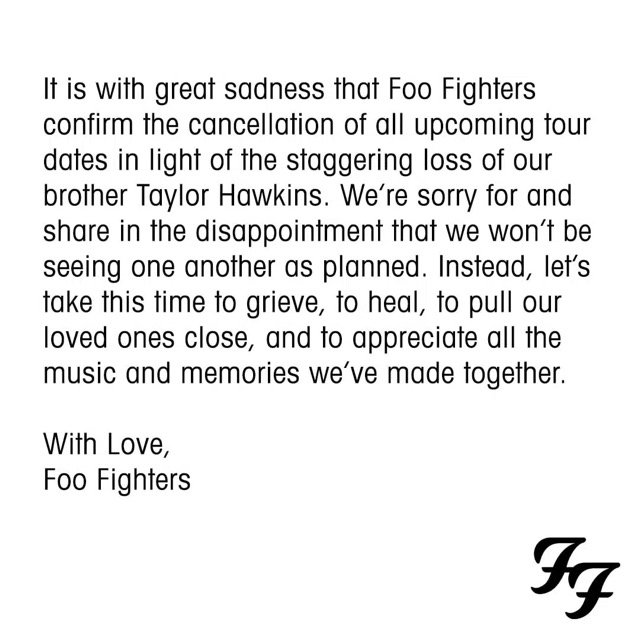
Some cancellations happen for reasons that go beyond any planning. The Foo Fighters withdrew from Lollapalooza Brasil in 2022 following the death of drummer Taylor Hawkins.
In situations like this, there’s nothing to say except to respect the grief and give the band the space they need.
Government or political decisions
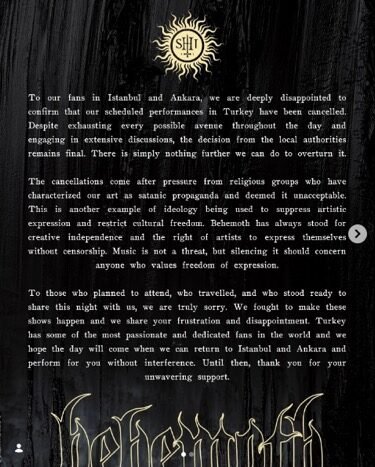
Rare, but it happens: local authorities or governments intervene. Behemoth had a show cancelled in Istanbul by government order, citing concerns over the satanic nature of the performance.
These cases are entirely out of the band’s hands — and out of ours.
Extreme weather
Heavy storms, hurricanes, and blizzards can make shows impossible to hold, particularly outdoor events. When you bought your ticket well in advance, there’s not much to do beyond contacting your insurance and pursuing a refund.
3. Cancelled in Advance or at the Last Minute?
The timing of a cancellation completely changes how you need to respond. Understanding which situation you’re in is the first step to making a plan.
Cancellation with advance notice (a week or more)
You still have room to manoeuvre. You can:
- Cancel or rebook flights and accommodation, especially if you bought flexible options
- Calmly consider whether the trip still makes sense — or whether there are alternatives, like other shows in the same city
- Make decisions without the pressure of already being in transit
In the case of Pearl Jam in Berlin, the notice came about four days before the shows. Friends who were travelling from other countries managed to rebook flights and hotels without significant losses and decided not to go.
I had non-refundable flights and hotel already paid, and I knew I’d be meeting a close friend in Berlin who was in the exact same boat as me. So I decided to go anyway — and I have no regrets.
Last-minute cancellation (on the day, or hours before the show)
This is the hardest situation. You’re probably already in the city or on your way. Accommodation and transport are already paid for. The anticipation was at its peak — and then the news drops.
The Alter Bridge show in Rome was cancelled just hours before it was due to start. Fans were already in the queue outside the venue when the announcement came through. The confusion and upset were intense.
In cases like this, the focus shifts from “cancel the trip” to “what do I do with the time and money I’ve already committed to this?”
4. Practical Matters: Refunds and Rescheduled Dates
Getting your ticket refunded
In most countries, when a show is cancelled, you’re entitled to a full refund of the ticket price. The process varies depending on where you bought your ticket and how you paid, but generally it works like this:
- Wait for the official announcement from the promoter, the venue, or the ticketing platform (Ticketmaster, Eventim, etc.). This announcement should include instructions on how to request your refund.
- Submit your refund request following those instructions — usually via your confirmation email, an online form, or directly through the platform.
- The amount is returned to the credit or debit card used for the purchase, typically within a few weeks.
In the case of Pearl Jam in Berlin, I had bought one ticket through the official fan club and another through Eventim. In both cases, the refund was automatically credited back to my card. It was quick and straightforward.
⚠️ Always buy through official channels
If you bought your ticket from a tout or an unauthorised reseller, you may have serious difficulty getting a refund — or you might not get anything back at all. Always use the band’s official channels, the venue’s box office, or authorised ticketing platforms.
What about festivals?
If a band cancels their appearance at a festival but the event goes ahead with the rest of the line-up — and a replacement act is usually brought in — you’re not entitled to a refund. Your ticket covers the festival as a whole, not a specific artist.
It’s frustrating, but that’s how most festivals operate. Always check the event’s refund policy before you buy.
What if the show is rescheduled rather than cancelled?
When a show isn’t cancelled outright but moved to a new date, you’re still entitled to a refund if you can’t make the new date — even if it’s only a few days later. Most platforms open a refund window once the new date is announced.
If you can make the new date and want to go, just hold onto your ticket. Simple as that.
5. Plan B: What to Do With the Trip
If you travelled for the show and it’s been cancelled, the first instinct is to feel like the whole trip is ruined. But you’re already there. The hotel is paid for. Your return journey has a date. So the real question is: what do I do with this time?
Here are four options.
Option 1: Build a music-focused itinerary for the city
Every city has a scene, a history, a story tied to music. And if you’re a rock fan, there’s almost certainly something worth discovering: record shops, legendary bars, iconic studios, themed museums — the kind of places that usually get overlooked when the show dominates the itinerary.
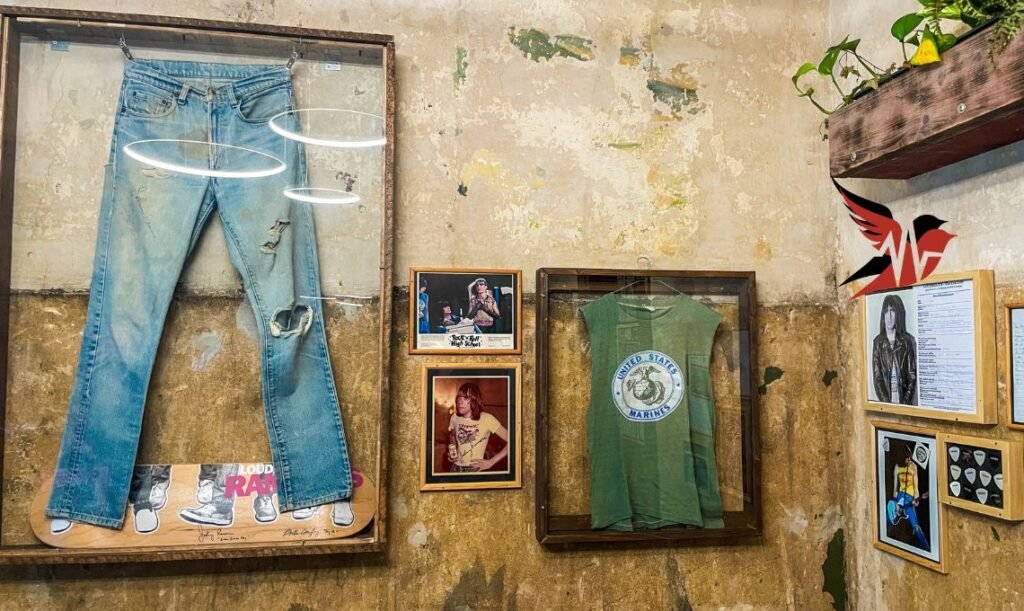
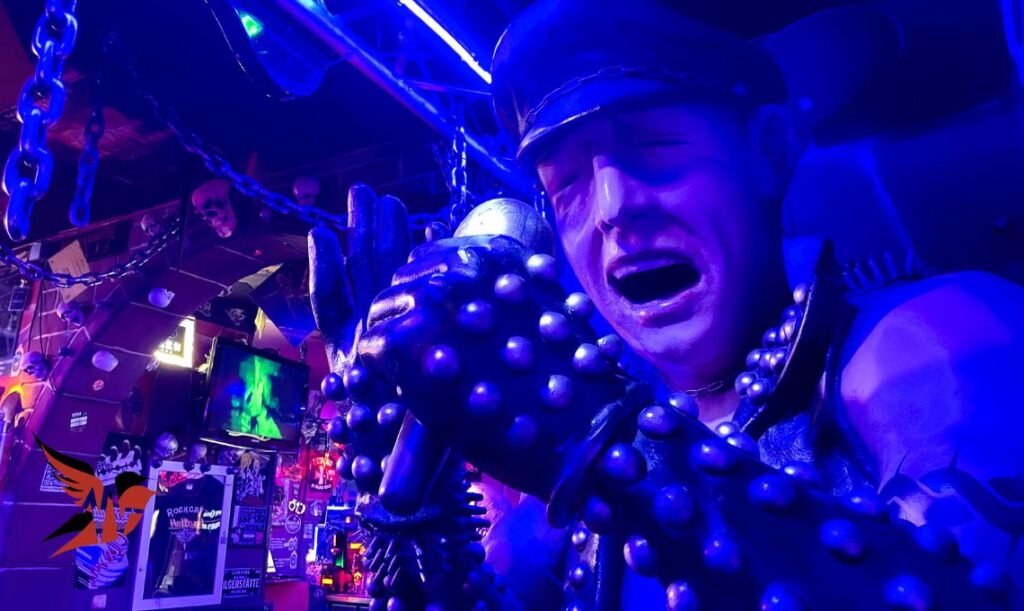
When Pearl Jam cancelled Berlin, we built a rock-themed itinerary around the city. We visited the apartment where David Bowie used to live, stopped by Hansa Studios, browsed through record shops, and stumbled upon Rockcafe Halford (named after Rob Halford of Judas Priest) and the Ramones Museum. To round it off, we happened to find a temporary exhibition on the history of heavy metal in Germany. Even having been to Berlin before, I’d never seen the city through that lens. It turned out to be one of the best visits I’d ever had there.
🎸 Travel 2 Concert Tip
We have city guides focused on music tourism — bars, studios, record shops, memorabilia stores, themed museums, and historic rock landmarks. Exactly the kind of content made for this situation: building a rock itinerary to make the trip feel yours, even without the show.
Option 2: Look for other shows in the same city
There might be other gigs happening in that city during your stay. It won’t be the band you came to see, but it’s live music. And sometimes these unexpected nights become memories you didn’t see coming.
In Berlin, while we were having lunch on the first day, we saw that there were tickets available for a Judas Priest show that same evening — on one of the nights the Pearl Jam show would have taken place. We bought them on the spot. It wasn’t what we’d planned, but it was a great night out, and it helped turn the frustration into something much lighter.
🎸 Travel 2 Concert Tip
We have gig listings by city. If you’re in a city and need a musical plan B, it’s worth a look — there might be something great happening during your stay.
Option 3: Explore the city beyond the music trail
If the show was the main event and you hadn’t planned much else around it, you’ve now got free time. Use it.
- Visit museums and landmarks that were never on the original itinerary
- Eat well. Look up where locals actually go, not just the top-rated spots on Google Maps
- Walk without a set destination. Some of the best travel discoveries happen that way
- Talk to people who live there. Ask what they’d recommend
Trips built around a single goal can be incredible. But when that goal disappears without warning, the city is still there.
Option 4: Try to catch another date on the same tour
If the band is on tour and the cancellation was specific to one city, there’s a good chance the remaining dates are still going ahead. Depending on your schedule and budget, it might be worth trying to make it to another show.
The day after the Rome cancellation, Alter Bridge had another Italian date confirmed: Bergamo, in the north of the country, at a brand-new arena with easy train access from Rome. Tickets were still available. Plenty of fans made the trip. For anyone with the time and flexibility for a last-minute change of plans, it was the best possible outcome.
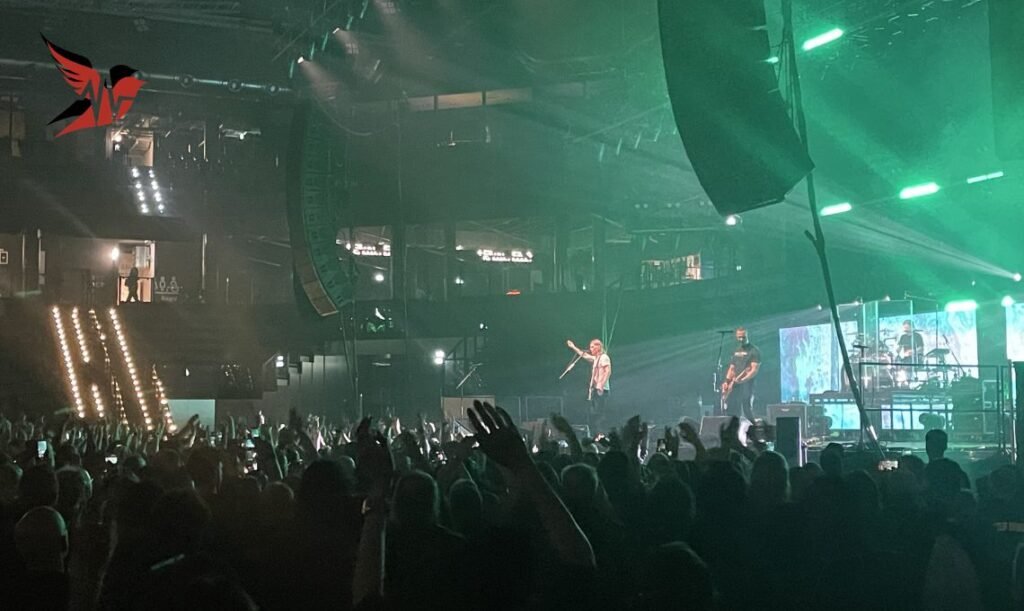
In the case of Pearl Jam, once Berlin was cancelled and Eddie Vedder had recovered, the next confirmed tour dates were Barcelona and Lisbon. I had friends in both cities and there were tickets available — but I’d already invested in the Berlin trip, and a last-minute flight to another country wasn’t in my budget. I didn’t get to see Pearl Jam on that tour. As a fan, it stung. But I tried, I went to Berlin, and I stand by the decision.
A word that needs saying: When a cancellation involves older artists or musicians with a known health history, the frustration carries a different kind of weight. The thought creeps in: what if this was my last chance to see them live? It sounds dramatic, but it’s very real — and it’s valid to feel it. If that’s where you are right now, know this: the future may still hold another chance. And if it doesn’t, you tried. That counts for a lot.
6. If You Haven’t Left Home Yet
If the show was cancelled before you’d even set off, the situation is more manageable — still gutting, but with far less collateral damage.
- Request your ticket refund as per the promoter’s instructions
- Cancel or rebook flights and accommodation if you bought with flexible options
- If the show is rescheduled and you can make the new date, great. If not, put the money towards a future show
7. What to Do Differently Next Time
Cancellations always teach us something. Here are some concrete takeaways to reduce the impact when the next unexpected thing happens.
Build flexibility into your plans
When a trip is built around a show, consider:
- Flights with a change or cancellation option, even if they cost a little more
- Hotels with free cancellation up to 24 or 48 hours before check-in — the peace of mind is often worth the price difference
- Travel insurance that covers event cancellations
- Ticket protection (many platforms offer this): it guarantees a refund if your plans change
Don’t plan just around the show
If the show is the only reason for the trip, a cancellation wipes out the entire itinerary. If you’ve already got other things planned in the city, the blow is much softer. Think of the trip as a full experience, with the show as the highlight — not the only thing.
Give the band some empathy
Cancelling a show is never an easy decision. Artists know they’re disappointing fans, forfeiting earnings, and disrupting the logistics of an entire crew. When Eddie Vedder cancelled Berlin, he was struggling to breathe. When Alter Bridge cancelled Rome, it was to protect the band and the audience from a structurally unsafe stage.
Before you direct your frustration at the band, remember: no one cancels a show because they want to.
Find other fans
When Pearl Jam cancelled, I met other fans in Berlin who had also travelled from other countries to be there. We had dinner together, swapped stories, laughed at the sheer coincidence of it all. Shared frustration changes the atmosphere entirely.
If you’re in a city where a show has just been cancelled, look for other fans in Facebook groups or on Reddit. If it’s a big show, there’s a good chance you’ll spot someone in a band t-shirt on the street. You’re all in the same boat.
Cancelled shows are part of life when you travel for music. You can’t avoid them entirely — but you can be better prepared, make the right calls when it matters, and with a bit of luck and creativity, turn a ruined day into something worth remembering.
Have you ever had a show cancelled on you? How did you handle it? Share your story in the comments. Sometimes just telling it helps someone else who’s going through the same thing right now.