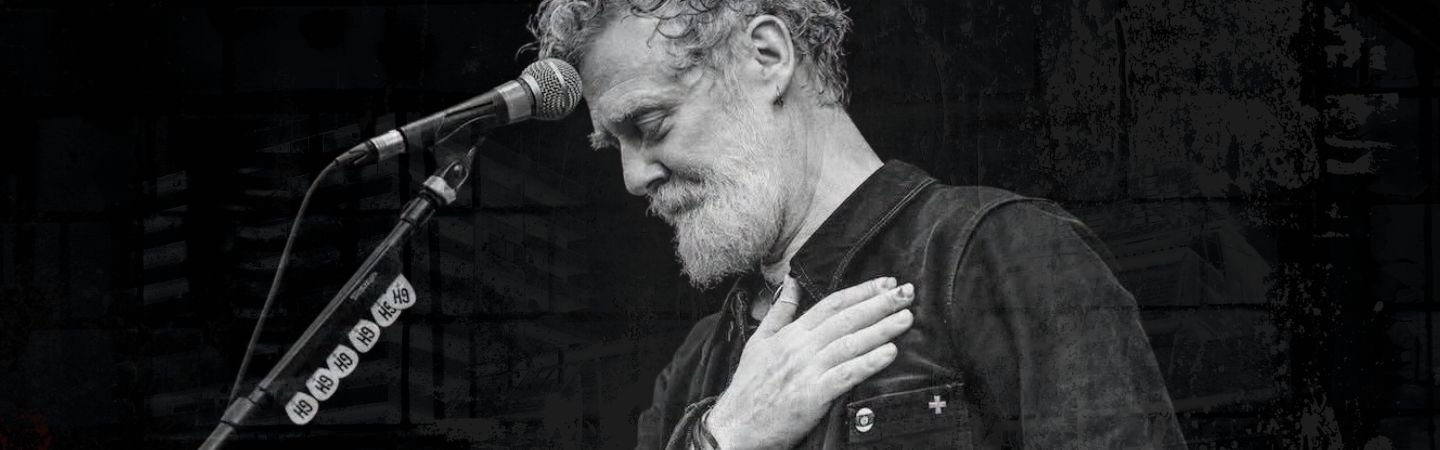
Since Glen Hansard’s passing, I’ve seen so much beauty in the deep grief of his friends, family, and fans that I knew it would be important to put together, here on Travel 2 Concert, a memorial route through Dublin in his honor. An itinerary for anyone who, in the future, wants to physically connect with his legacy and feel a little less empty after the immense loss of his presence.
Walking through Glen Hansard’s Dublin, before he was gone, already gave us the feeling that we might find him at any moment, around a corner or through the door of a pub.
Today, after his death, walking through Dublin means feeling that presence even more intensely, as if his spirit lived in every one of those spaces, with guitar in hand, that unmistakable spark in his eyes, ready to welcome his thousands of best friends.
I invite you to celebrate Glen Hansard’s life with me through the streets of Dublin, walking through places of joy and of grief, but all of them full of beauty, with the goal — and the certainty — of keeping his memory and his legacy alive for as long as we’re here.
Who Was Glen Hansard
Glen Hansard was born in Dublin, Ireland, on April 21, 1970, one of six children of Catherine and James Hansard. His father was a carpenter who played violin in a band back in the 1930s and ’40s, but he drank heavily; his mother was a Beatles fan who loved to sing. His first guitar had belonged to an uncle who ended up in prison, and the instrument stayed behind at his parents’ house.
The family lived in Ballymun, a suburb of Dublin marked by unemployment and drugs, and Glen had a difficult adolescence. It was hearing Bob Dylan for the first time, on a cassette tape he’d been given as a gift, that fell in love with music. From that day on, he taught himself every song by ear, alone in his room, and realized this was what he wanted to do for the rest of his life.
He once said Dylan told him: “I can’t promise you’ll be famous. But if you start now, you’ll always be able to make a living with your guitar.”
Glen left Our Lady of Victories school at 13 to play on the streets of Dublin, and Grafton Street became his main stage, just as it remains for so many of the city’s street musicians today.
Buskers are practically a form of urban cultural heritage in Dublin. And having been part of that world from the very start of his life to, quite literally, his last day, he was considered a godfather to an entire generation of Dublin street musicians.
At 20, he formed the rock band The Frames, which became a major force on the Irish scene throughout the 1990s and 2000s, with the pub Whelan’s serving as one of its main headquarters.
Still early in his career, in 1991, he joined the cast of The Commitments, based on the novel of the same name by Irish writer Roddy Doyle (1987), playing guitarist Outspan Foster.
Despite The Frames’ enormous success through the 2000s, he decided to change course and founded The Swell Season in 2006, a duo with Czech singer and multi-instrumentalist Markéta Irglová.
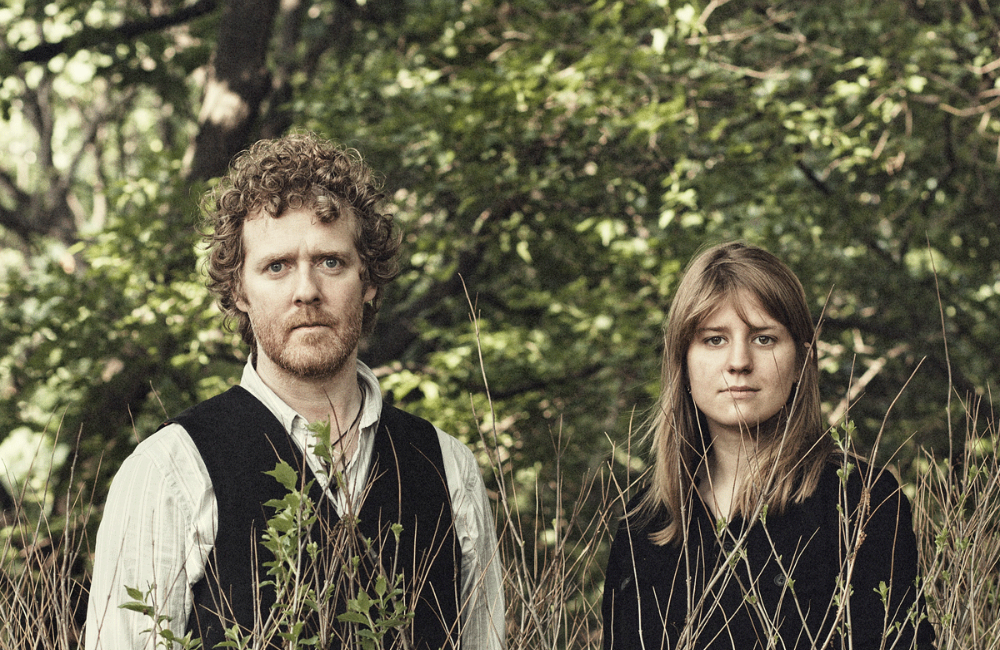
The following year, in 2007, both were invited to star in Once, directed by Irish filmmaker John Carney (who had himself played bass in The Frames in the early ’90s). The film tells the story of an insecure Dublin busker who performs on Grafton Street, and a young immigrant artist. They support each other in pursuing their musical dreams.
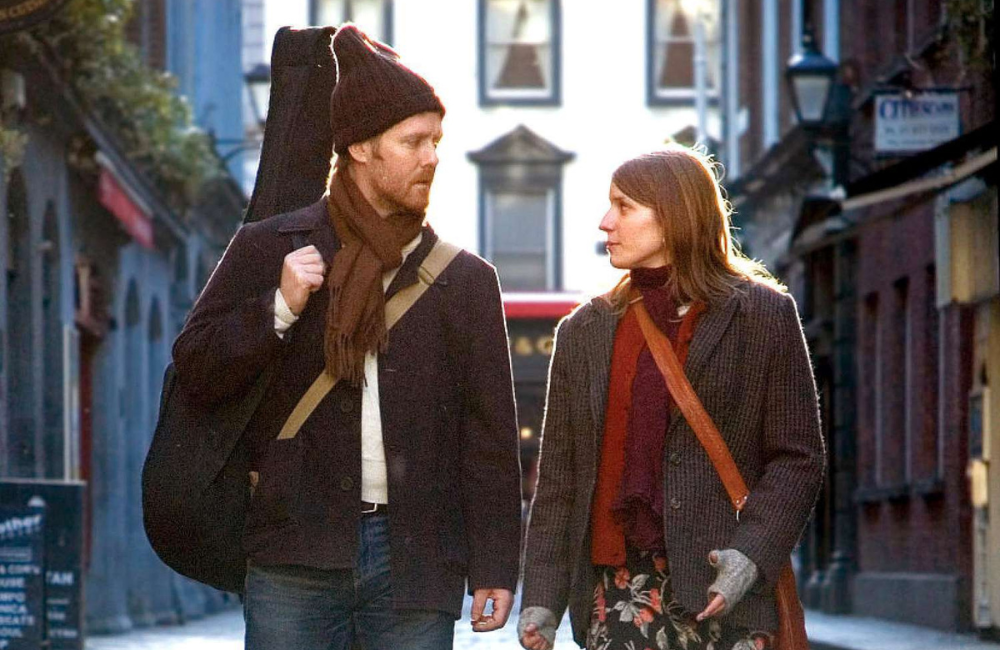
The film, made on a tiny budget with plenty of improvisation, reached a scale nobody expected. One of its songs, “Falling Slowly,” won the Academy Award for Best Original Song in 2008, launching the duo to worldwide recognition. Glen and Markéta had a brief romance but chose to preserve their friendship and musical partnership, which stayed alive through recordings and shows for years afterward, right up until recently.
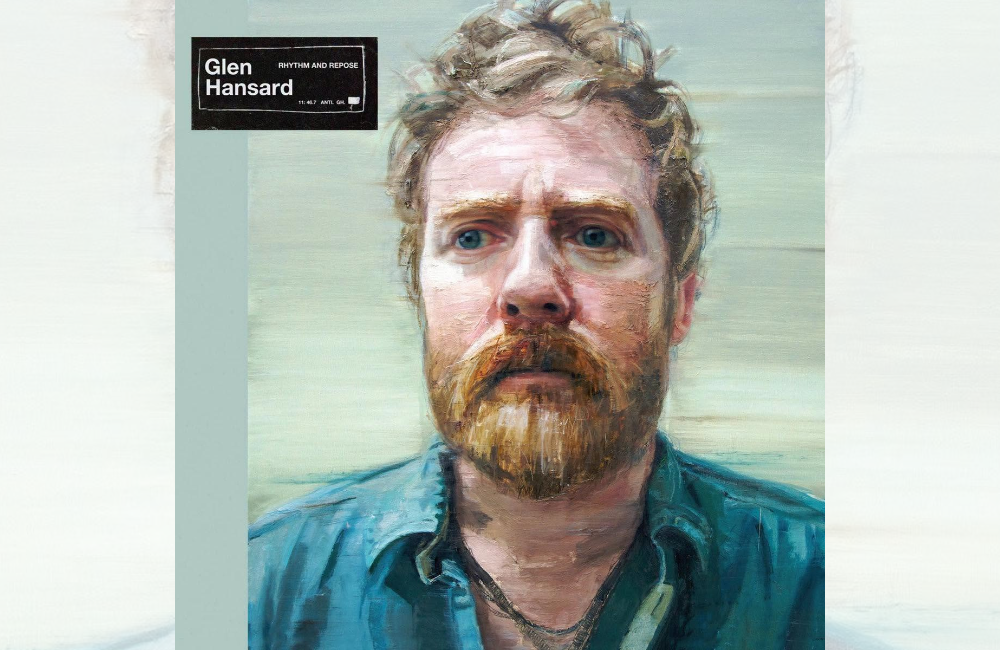
Glen Hansard’s solo career began in 2012 with the release of the album Rhythm and Repose. He released more than 15 albums between his solo work, The Frames, and The Swell Season.
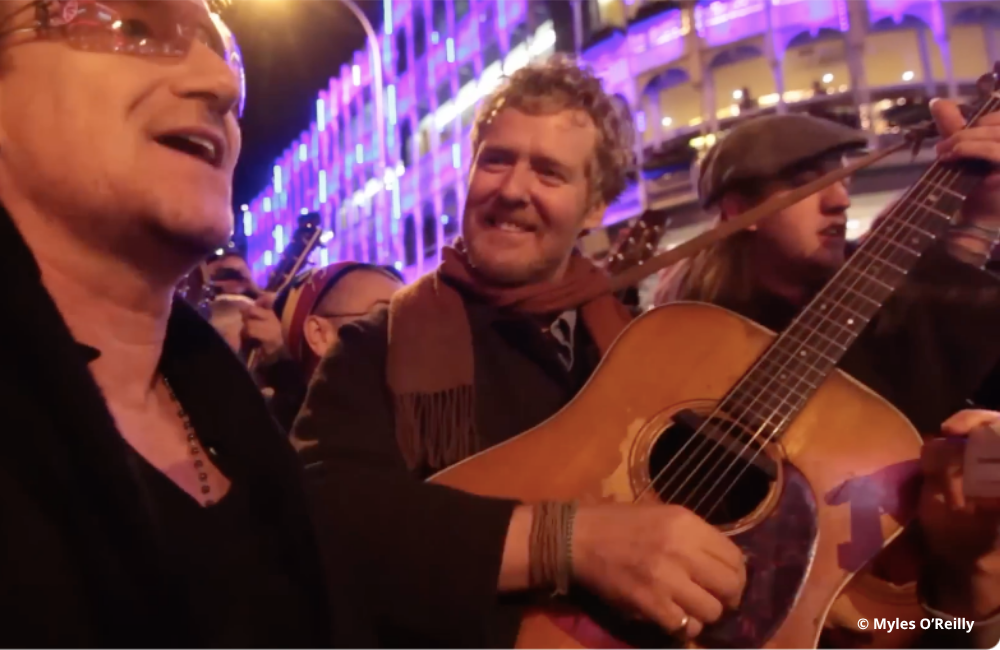
Since 2010, he had been one of the driving forces behind the Christmas Eve Busk, a charity event that brings Irish musicians together to play on the streets of central Dublin on Christmas Eve, mainly around Grafton Street, to raise money to help homeless people. Over the years, participants have included Sinéad O’Connor and members of U2.
Glen had been married to Finnish poet Maire Saaritsa since 2022, and their son, Christy, was born the same year. Since then, the family had split their time between Ireland and Finland.
Glen Hansard died at 56 in a motorcycle accident on the outskirts of Dublin in the early hours of July 29, 2026.
A Route Through Glen Hansard’s Dublin
Simply walking through central Dublin is, on its own, a tribute moving enough for any Glen Hansard fan. This was the city he kept his eyes on, the streets he walked and played on countless times. But there are specific spots that deserve a stop.
Ballymun, Glen Hansard’s Childhood
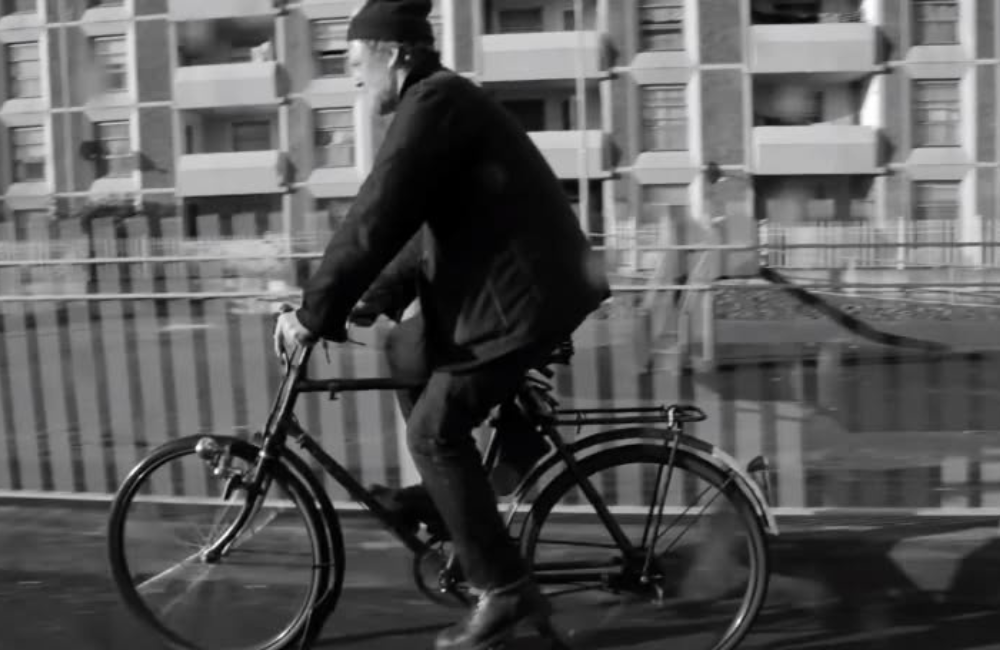
The Ballymun neighborhood sits on Dublin’s north side and was long known for its social-housing tower blocks, built in the 1960s to address the city’s housing shortage. Later, it became a symbol of the struggles the area carried, like unemployment and drugs.
It was here, on Sillogue Gardens, that Glen Hansard grew up with his parents and siblings, into the 1980s. Despite the family’s hardships, he and his siblings have recalled being genuinely happy in the home where they lived. Glen returned to the neighborhood many times over the years and even became friends with the woman who later bought the house.
A short walk away is the school where he studied, Our Lady of Victories.
In the video for “High Hope”, from his debut solo album Rhythm and Repose, you can see him riding a bicycle through these very streets, recreating scenes from his own childhood.
Take a walk through Ballymun. It’s not a tourist attraction, but this is where much of what Glen Hansard would become began. The neighborhood has changed a great deal since he left, and you won’t find it exactly as it was back then. Still, this is a place Glen has always loved and respected, and the stroll is worth it if you want a sense of the place that shaped him, even as it has continued to change. Follow this tribute trail with that in mind, and always remember to respect the neighbors’ privacy.
Grafton Street
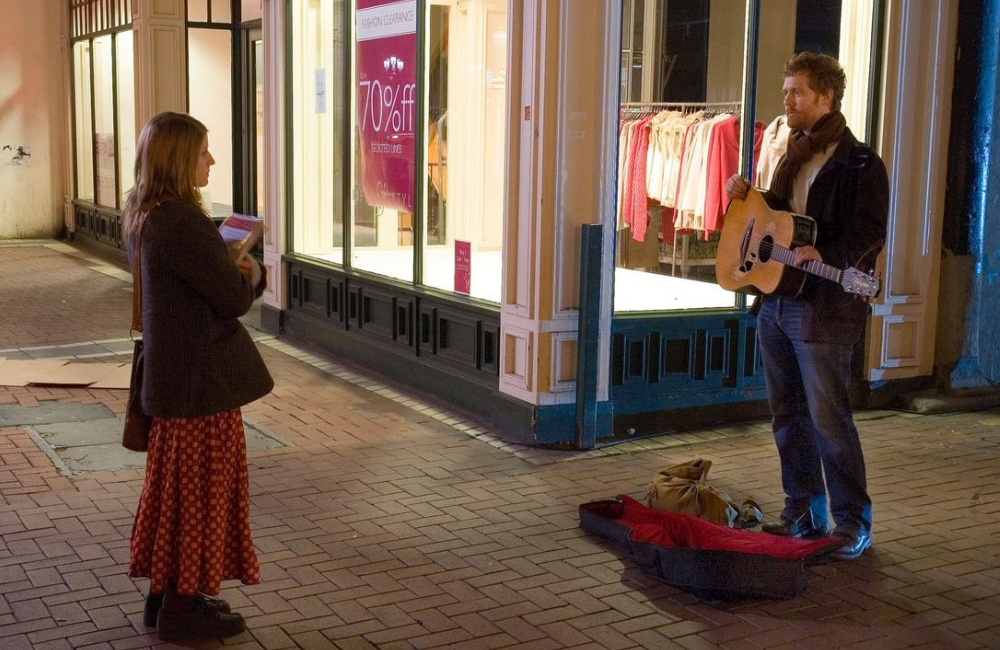
Grafton Street is a pedestrianized street in the heart of Dublin, lined with shops. Closed to cars, it has a warm, welcoming atmosphere — and it’s that sense of intimacy that draws Dublin’s street musicians here to perform every day. It was here, at 13 years old, that Glen Hansard started playing.
Around numbers 60-61, today a Disney store, he performed hundreds of times over the course of his life, with the guitar and voice that all of Dublin recognized from a distance.
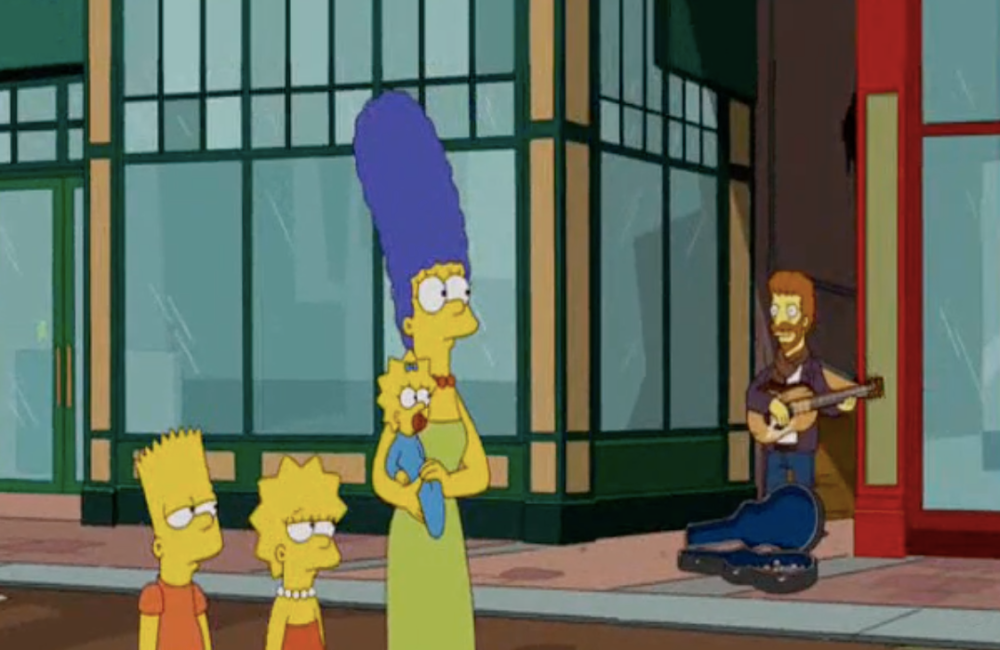
That image became immortalized in Once movie, and later in an episode of The Simpsons. It was also here that he led the Christmas Eve Busk from 2010 onward, bringing Irish musicians together on Christmas Eve to raise donations for homeless people — an event that has featured Sinéad O’Connor and members of U2 over the years.
On the night of his funeral, this was the same place where Eddie Vedder and his family went, alongside photographer and friend Danny Clinch, to join young street musicians for an informal, intimate, and deeply emotional tribute.
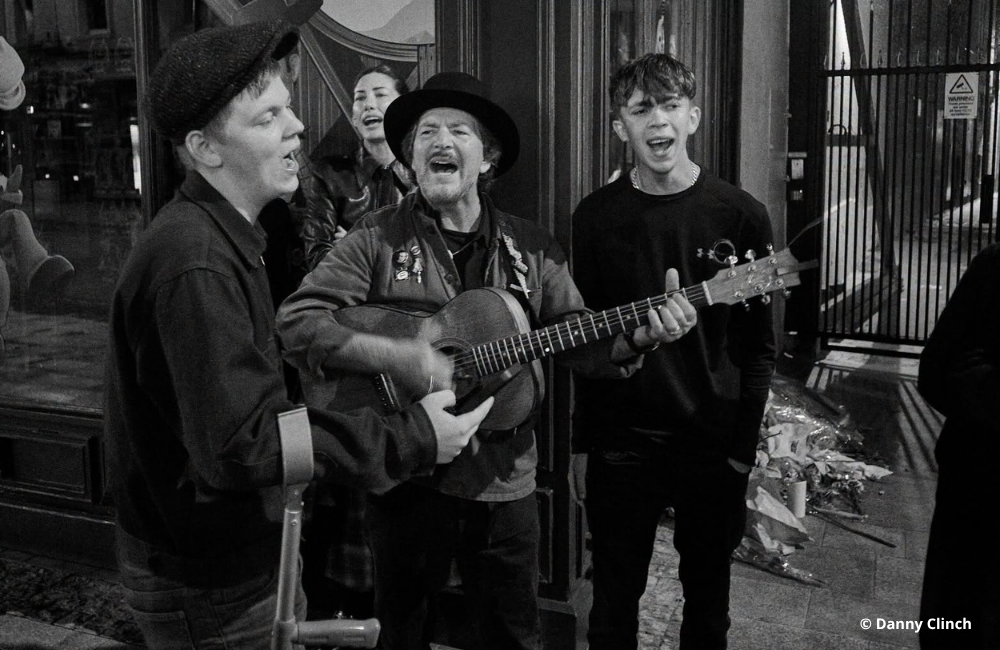
Stop for a few minutes in the doorway next to the Disney store, even if it’s just to listen to whichever busker happens to be playing at that moment. Leave a flower for Glen there, if you’d like.
The Luke Kelly Statue, King Street
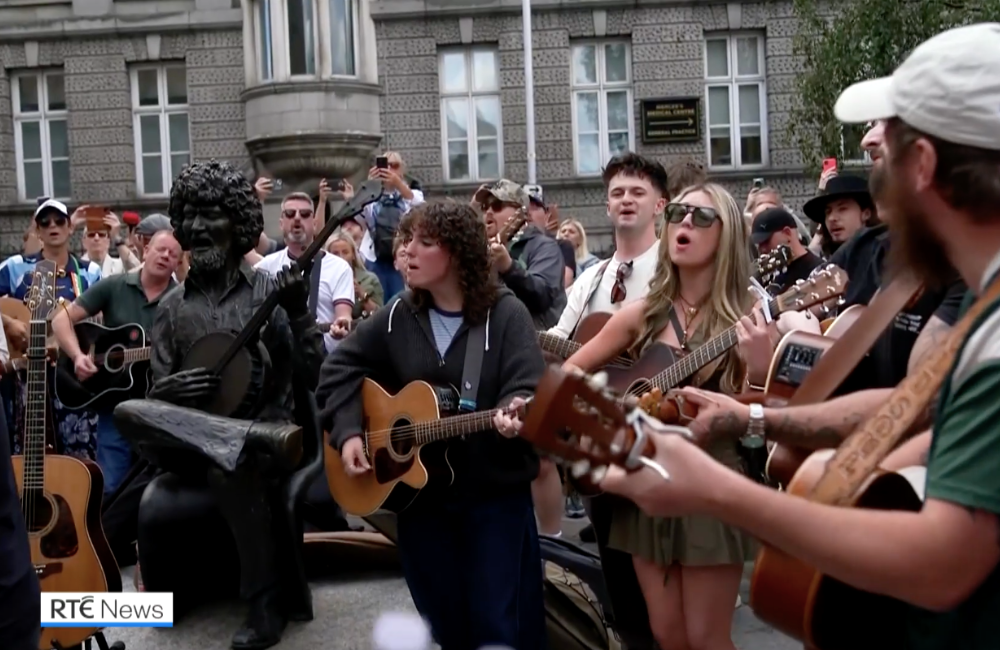
In Dublin’s historic center, on King Street, stands the statue of Luke Kelly, the Irish musician who died in 1984, best known as one of the founders of the legendary band The Dubliners. It’s a bronze sculpture, in the way Dubliners like to remember their musical figures.
The day after Glen Hansard’s death, street musicians chose this spot — historic and symbolic — as a gathering point to play in his honor. Among the songs was “Falling Slowly,” the same one that, in 2008, won Glen and Markéta Irglová the Academy Award for Best Original Song for Once.
Whelan’s
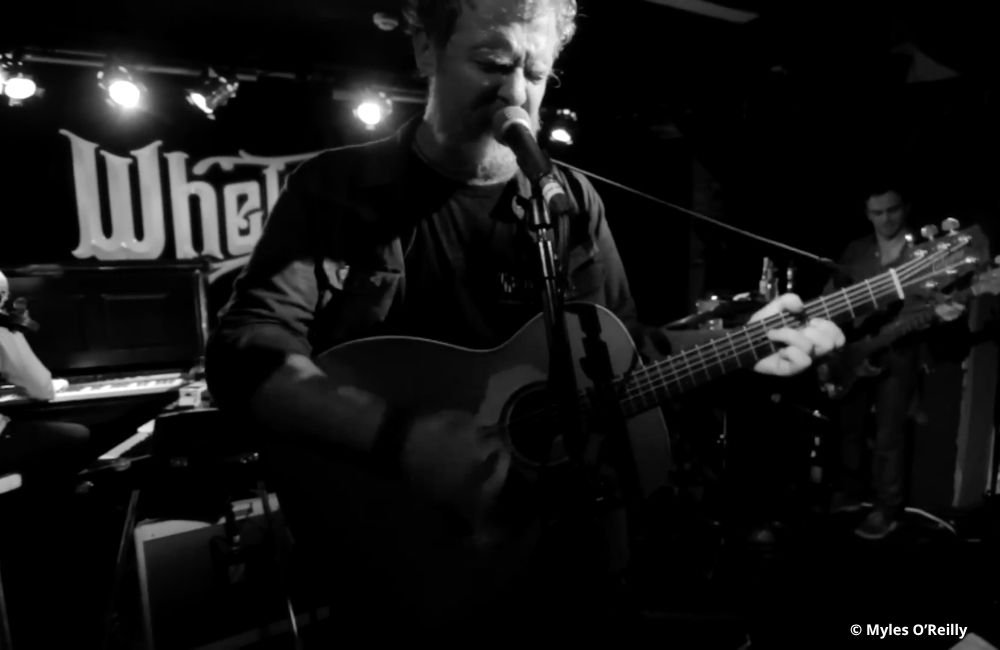
Whelan’s sits at the heart of Wexford Street, where a pub has stood since the 19th century. During the renovation that turned it into what it is today, in 1989, the new owners stripped away layers of synthetic finish and plaster that had been added decades earlier and found the original wood and stone underneath. The result is a pub that genuinely looks and feels like an old-school pub, spread across different levels, with a small stage that puts the audience just a few feet from the musicians.
Since the early 1990s, Glen Hansard was a regular there with The Frames, and the band played countless shows on that stage, with lines stretching down the street outside for every gig. For the owners, watching the band grow over the years was a source of real joy and pride.
In 2014, on The Frames’ 25th anniversary, they returned to Whelan’s, and midway through the show Glen announced that drinks were on him for the rest of the night — leaving the bar staff in a bit of a panic.
Order a pint at the bar, and if there’s a show that night, stick around to see up close the stage where Glen played so many times.
St. Patrick’s Cathedral
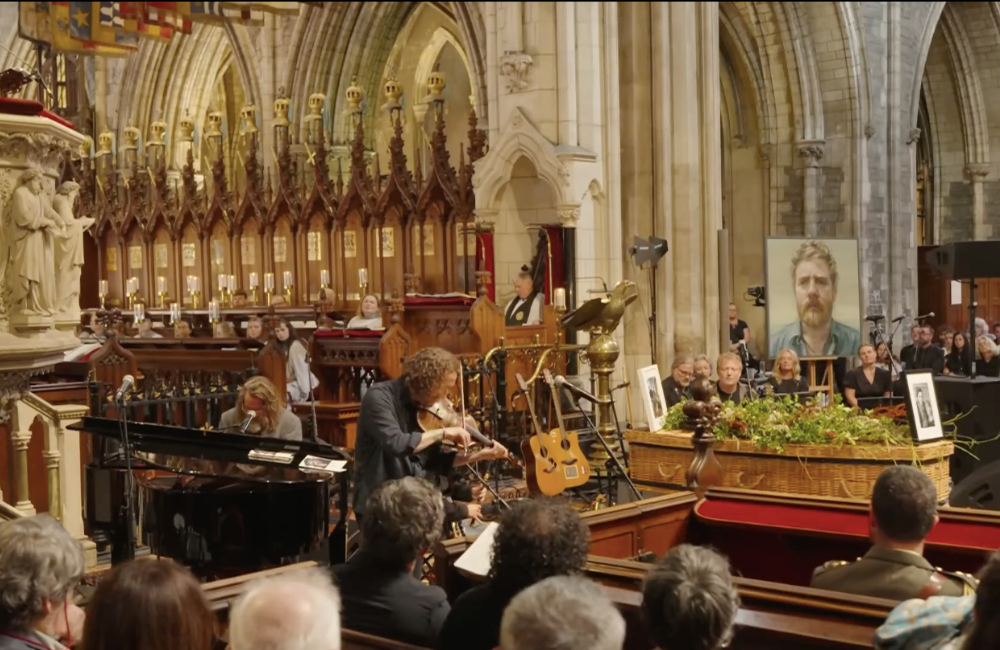
St. Patrick’s Cathedral is the largest church in Ireland. Inside, the vaulted ceiling and the long nave draw the eye straight to the altar, and the light passing through the stained-glass windows shifts the color of the stone throughout the day. The visit takes on even deeper meaning when you walk through thinking of Glen.
It was in this cathedral that his funeral took place, on August 4, 2026, bringing together friends and family before the altar, while outside a big screen was set up for fans who couldn’t get in.
During the Covid-19 pandemic, when singing and playing on the streets for the traditional Christmas Eve Busk wasn’t possible, several musicians — Glen Hansard among them — gathered right here, in the cathedral, and recorded a show to keep raising funds for the Simon Community, an organization that helps people experiencing homelessness.
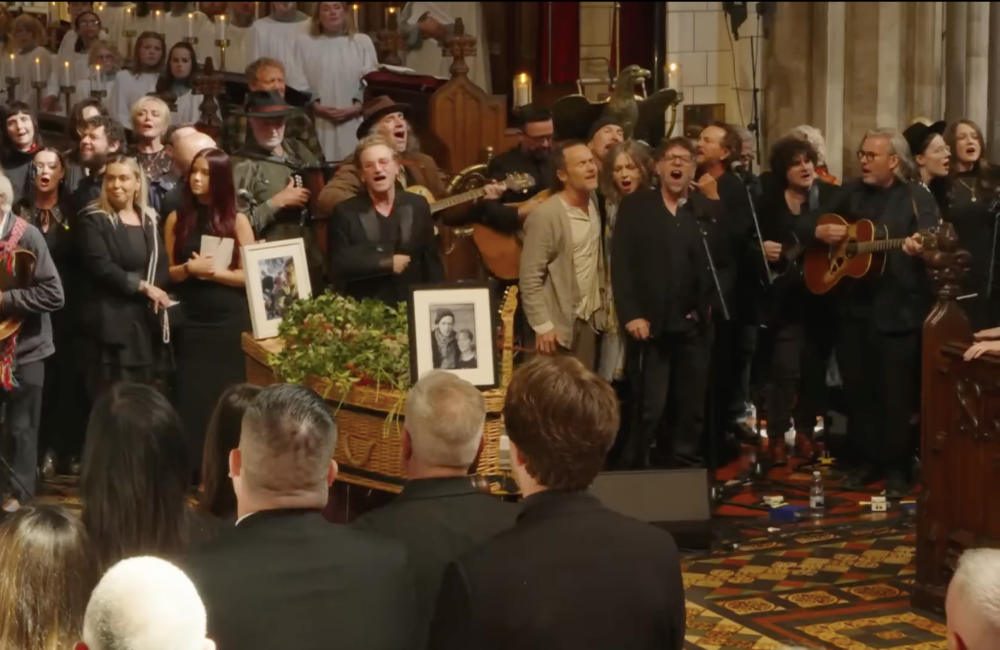
Step inside the cathedral, walk up toward the altar, and take in the stained-glass windows and the long nave stretching out before you. This is where his friends said goodbye to him, singing “Forever Young” together.
The Baroque Chapel at the Irish Museum of Modern Art (IMMA)
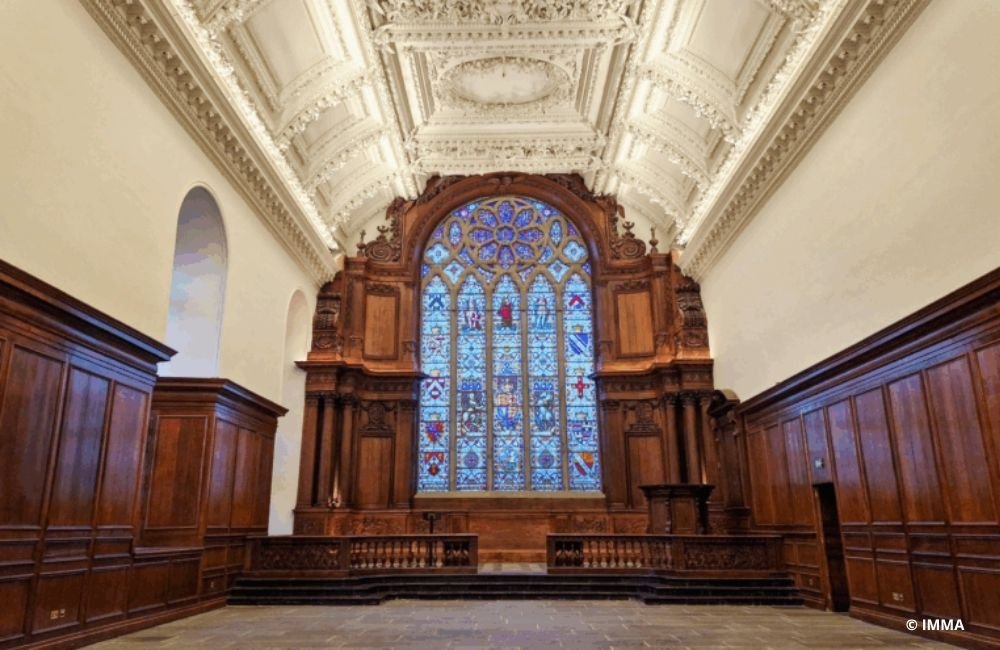
On August 3, a public wake was held for Glen from 11 a.m. to 4 p.m. in the Baroque Chapel at the Irish Museum of Modern Art (IMMA), inside the former Royal Hospital Kilmainham.
More than 11,000 people came to say goodbye, friends and fans alike. The coffin was placed beside the chapel’s stained-glass windows, with his guitars at its side. Traditional musicians played as fans filed past, leaving flowers, cards and tributes.
Admission to the museum is free, and it is open Tuesday to Sunday. It’s well worth a visit to see the building and the chapel. Both are part of the city’s heritage, and the museum always has excellent exhibitions. It also holds an important chapter in the story of Glen’s farewell.
Vicar Street
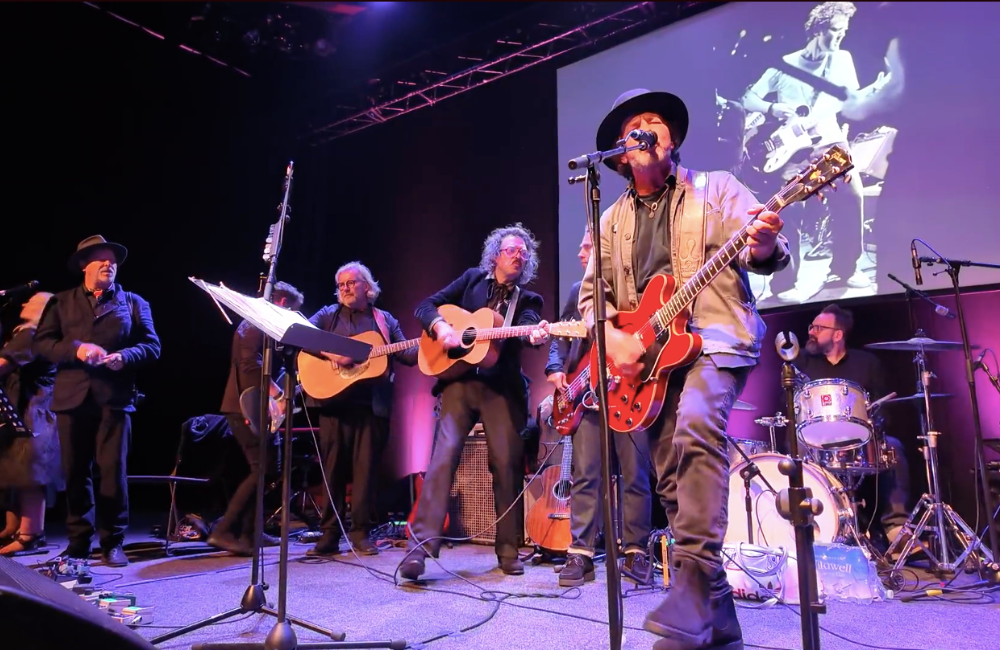
Vicar Street is a venue with a distinctly intimate atmosphere. Watching a show here feels like the performance was designed specifically for that one night. Even at the most packed shows, that closeness to the stage never disappears, and it’s exactly that intimacy that has seen the venue voted, more than once, the best live music venue in Ireland.
Glen Hansard played here more than two dozen times over the course of his career, and it was also one of the spots he chose for his special Christmas shows.
After the funeral and cremation, this is where friends and family headed, taking that same stage to keep playing in his honor while photos of him were projected on the screen. One of the most moving moments came when his brothers and several friends gathered on stage to sing Neil Young’s “Rockin’ in the Free World.“
If you manage to get tickets to a show there, take your time.
The Irish Rock ‘n’ Roll Museum Experience
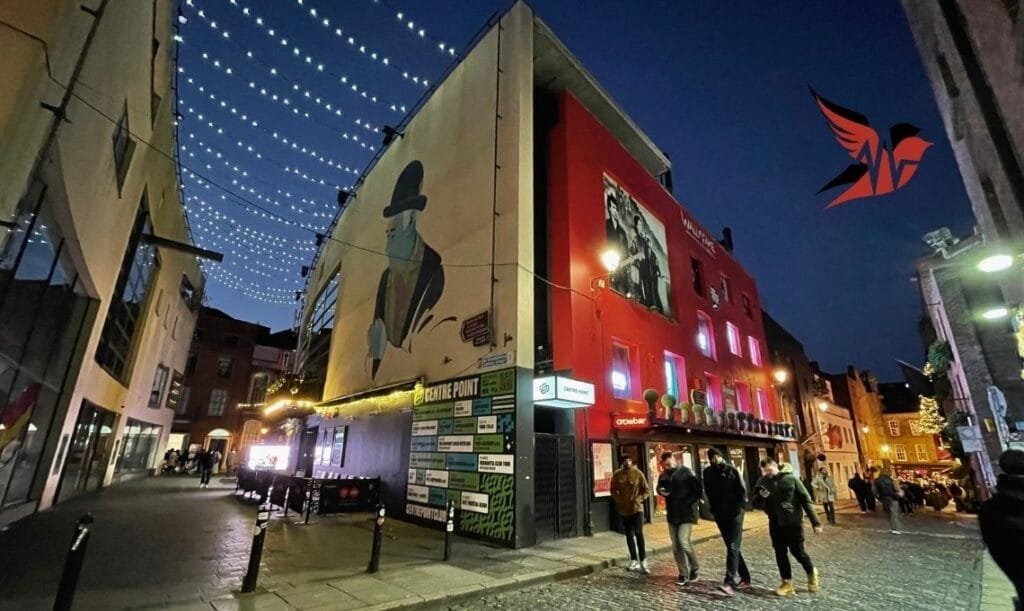
The Irish Rock ‘n’ Roll Museum Experience is already a must-stop on any Dublin itinerary for rock fans, with rooms dedicated to the city’s musical history and artifacts tied to Irish artists across generations.
For Glen Hansard fans in particular, on the day of his death, the photos on the building’s facade were replaced with images of him. A small altar with flowers and a condolence book was also set up out front (the book was, unfortunately, stolen in the days that followed). It’s likely the museum will start including information about him as part of its guided tour.
Killiney Hill
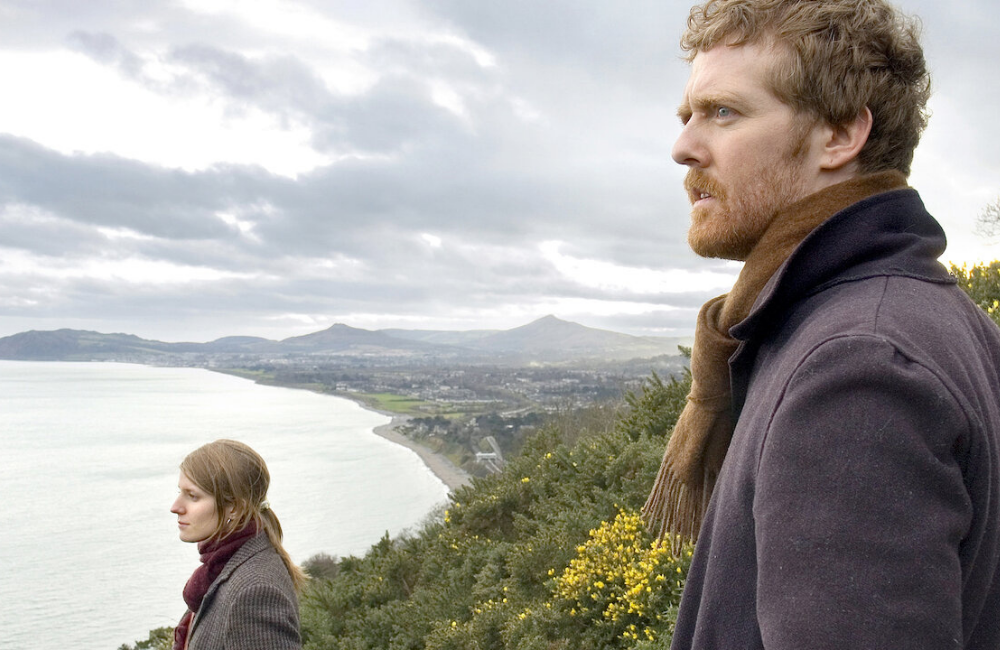
There’s a spot that appears in Once that could make for a beautiful way to close out your Dublin tribute to Glen Hansard, if the weather’s clear and you’re up for a walk.
Atop Killiney Hill, 153 meters above sea level, an obelisk erected in 1742 marks the highest point in the park, and from there, on a clear day, you can see the whole curve of Dublin Bay — the same view we see in the Once film, with Glen and Markéta.
You can get there in about 30 minutes by public transport from central Dublin, taking the DART train and getting off at Dalkey station. From there, it’s a pleasant walk of roughly 2km, with some uphill stretches, through Killiney Hill Park.
It’s a spot much loved by Dubliners themselves for a nice-weather stroll, and maybe that’s exactly why it feels so fitting as a place to end this route.
Take your time, sit facing the sea, and stay as long as you need to.
The Death and Funeral of Glen Hansard
Glen Hansard died tragically at 56, in a motorcycle accident, in the early hours of July 29, 2026. A man driving along the road at 4:30 a.m. spotted him and called the police. He did not survive his injuries and died at the scene. Within hours, the news had spread widely through media outlets around the world.
The cause of the accident has not been determined. What’s known is that he lost control of the motorcycle and crashed alone on the Lower Road (R109), between Tinkers Hill (R121) and Rugged Lane, near Strawberry Beds on the outskirts of Dublin — a narrow, tree-lined local road with grassy verges. According to local police, he was possibly on his way home.
The night before, he had been at his regular pub, The Wren’s Nest. He played music with friends there, as he had done on so many other occasions, and left around 11:30 p.m.
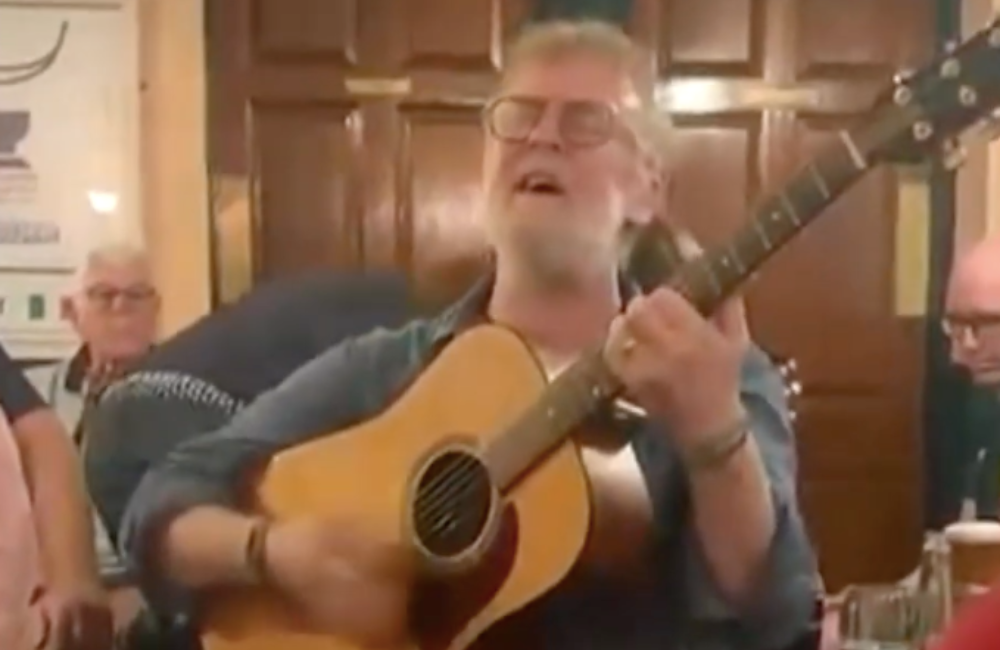
On July 30, street musicians gathered on King Street in Dublin, by the statue of Luke Kelly, founder of The Dubliners, to honor Glen by playing a number of songs, including “Falling Slowly.” From July 30 to 31, a condolence book was also opened at Dublin’s city hall, the Mansion House on Dawson Street, for anyone who wished to sign it and share their memories — a common custom in Ireland.
On August 3, Glen’s public wake was held from 11 a.m. to 4 p.m. in the Baroque Chapel at the Irish Museum of Modern Art (IMMA), at the former Royal Hospital Kilmainham. More than 11,000 people came to pay their respects, friends and fans alike. The coffin was placed beneath the chapel’s stained-glass windows, his guitars resting beside it. Traditional musicians played as fans filed past, leaving flowers, cards, and tributes.
The next day, August 4, at exactly 1:30 p.m., Glen’s funeral took place at St. Patrick’s Cathedral, broadcast on local television and online. Outside, a big screen let fans follow the ceremony as well.
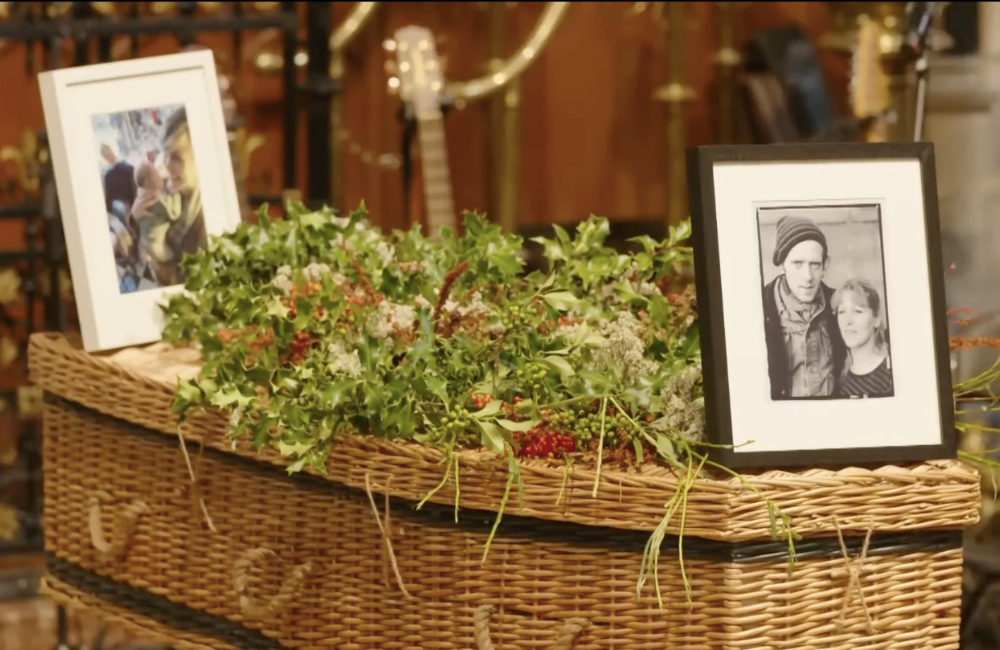
His body lay at the altar in a closed wicker coffin, covered in flowers and branches and two photographs — one in color, of him with his wife and son, another in black and white, with his mother. Beside it was a large, colorful portrait of his face by Northern Irish artist Colin Davidson, the same painting that appears on the cover of his first solo album, Rhythm and Repose, from 2012, along with his guitars.
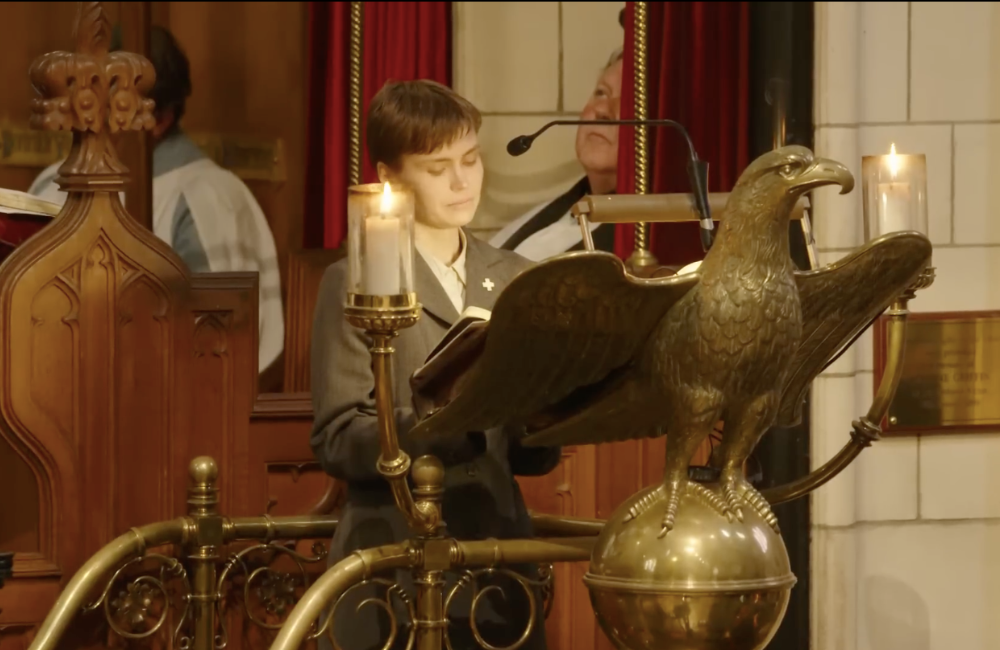
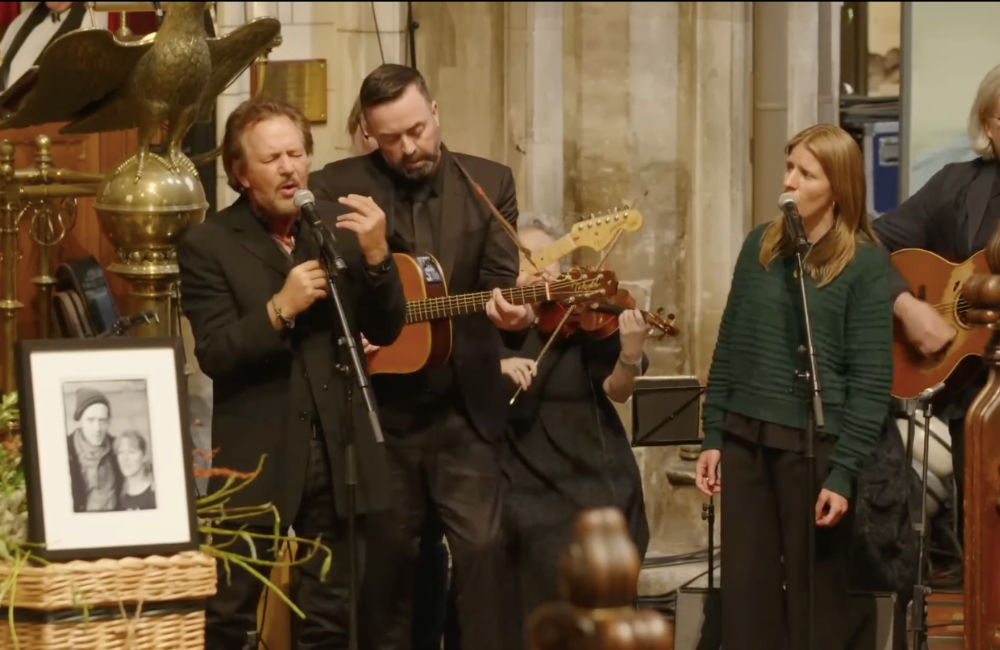
Beside the coffin, at the front of the church, clergy, friends, and family took turns speaking about Glen and playing music. His Frames bandmate Colm Mac Con Iomaire, his Swell Season partner Markéta Irglová, his close friend Eddie Vedder of Pearl Jam, and fellow Dubliner Bono of U2 were among those who took part. The coffin’s exit from the cathedral was the most emotional moment, as friends came together to sing Bob Dylan’s “Forever Young.”
Glen’s body was cremated the same day as the funeral, at Mount Jerome Crematorium in Harold’s Cross, Dublin. Afterward, friends and family made their way to Vicar Street, a well-known Dublin venue where he’d performed more than two dozen times. There, they spent more time playing in his honor while photos of him played on the screen. One of the most moving moments came when his brothers and several friends took the stage together to sing Neil Young’s “Rockin’ in the Free World.”
Glen was also honored by young street musicians, by photographer and friend Danny Clinch, and by Eddie Vedder and his family, in a more intimate tribute that night on Grafton Street, beside numbers 60-61 (today a Disney store) — the exact spot where he’d stood so many times, immortalized in the opening image of Once.
The Friendship Between Glen Hansard and Eddie Vedder
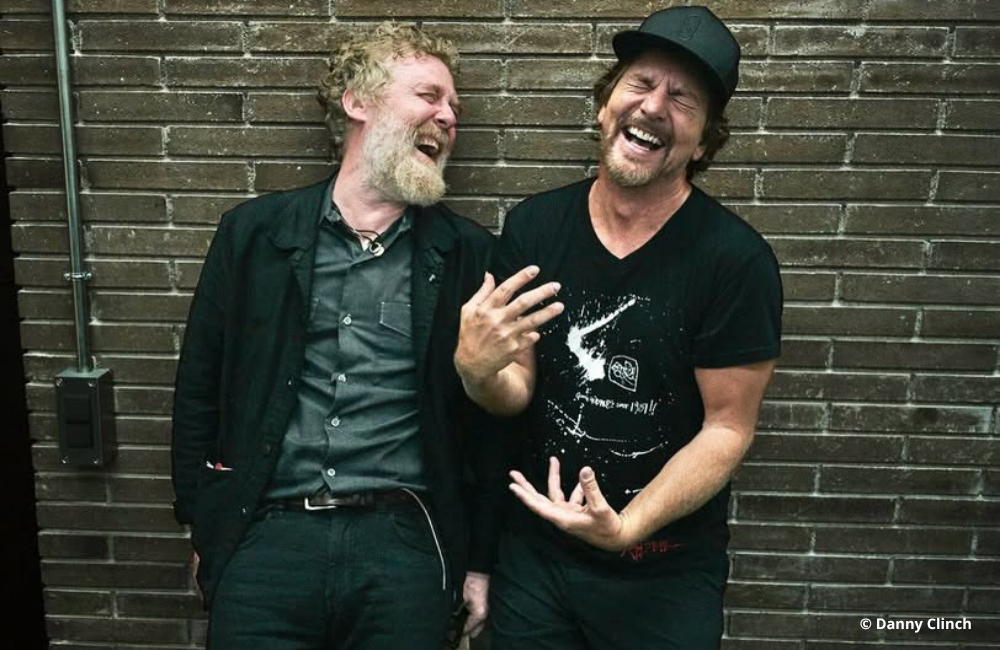
A month before his death, Glen Hansard told Track Star how he first met Eddie Vedder of Pearl Jam.
Glen had just been through a traumatic experience on stage: a 32-year-old man died during a Swell Season outdoor show on August 19, 2010, in California, after jumping from a rooftop onto the stage and landing near Glen, possibly attempting to get the attention of his ex-girlfriend, who was a fan of the duo. At the time, Glen and Markéta were left in shock, as were the fans in attendance, and they paid for support sessions to help people who’d been traumatized by the event. But they weren’t sure whether, or how, to keep going with music.
Eddie Vedder, hearing what had happened, called Glen to offer support, even though the two had never met. After all, he’d been through his own tragedy involving fans years earlier. On July 30, 2000, during a Pearl Jam show at the Roskilde Festival in Denmark, the barrier at the front of the crowd collapsed, and nine fans near the stage died in the crush, with dozens more injured — an event that, in fact, led to safety rules at large concerts and festivals being overhauled worldwide. The band was devastated and, for a long time afterward, offered support to the families, especially the parents who had lost their children.
Glen said Eddie was incredibly kind and spoke with him on the phone for an hour. Then Eddie asked if he could call again the next day. And he did, for five days straight. Afterward, he gave Glen his phone number and said that whenever Glen made it to Seattle, he’d love to meet up.
Later that same year, they met in person, and Eddie invited Glen to work with him on “Sleepless Nights,” a song by the Everly Brothers, which appeared on Vedder’s 2011 solo album, Ukulele Songs.
A deep bond and friendship that spanned stages and personal lives for more than a decade — and that was plain to see in Dublin during the days of the funeral.
If you’re deeply sad about Glen Hansard’s passing, know that what you’re feeling is real too. When someone we admire deeply dies, we’re saying goodbye to an incredible person, yes, but also to a chapter of our own story. Grieving an idol can be just as powerful as grieving a friend or family member, because that pain comes from our own experiences and expectations tied to that person or artist.
Think about what it can mean in someone’s life to spend decades listening to an artist’s music, being moved by the lyrics, living intensely through concerts, meeting special people because of that shared passion. Grieving an artist can also shift someone’s sense of the future, and it forces the fan to carry on, and to find a place, purely for that memory.
But in every grief, we can still find beauty in the depth of that pain and choose to be transformed by everything we’ve lived, shared, and learned. That’s what love does.