Have you ever left a show with that ringing in your ears that just won’t go away? That sensation is way more common than it seems, and it’s not just rock and metal fans who deal with it. Anyone who’s spent hours at a long party or an outdoor festival knows the feeling too. The problem is that when this exposure happens often, over years, it can cause permanent hearing damage.
Since neither you nor I are going to stop going to shows, it’s worth knowing how to protect yourself so that ringing and hearing loss don’t show up in the first place (or, if they already have, don’t get worse). That’s exactly where earplugs for concerts come in.
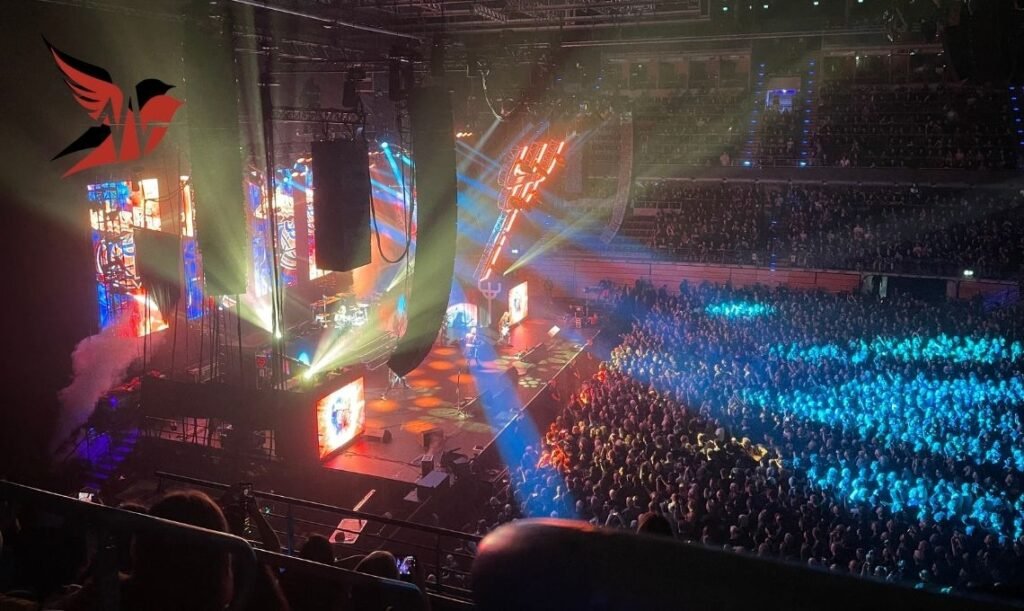
It took me a while to realize how important earplugs actually are at shows. My husband and I are both on the shorter side, so we usually end up on the sides or, when we can, right up front near the first rows. That puts us directly next to the speakers or close to the walls — the exact spots where sound tends to distort the most. Since the sound is usually mixed to reach the people all the way in the back, anyone up front is taking that full frequency range straight to the face.
Then there are bands that play with especially powerful bass or piercing highs. I remember a Judas Priest show in Germany where they were handing out foam plugs at the entrance for anyone who wanted them. The moment Rob Halford’s sharp high notes hit, I understood exactly why.
The problem with traditional foam plugs is that they muffle the sound. Do they protect you? Yes — but they turn the whole experience into something distorted. High-fidelity earplugs work completely differently: they use a filter that reduces volume without sacrificing clarity. You still hear every detail of the music, just at a level that’s safe for your ears. As a bonus, it’s also easier to talk to whoever’s standing next to you.
Trust me on this one: with a good pair of earplugs, you’ll enjoy the show with a lot more peace of mind, and afterward, you’ll sleep without that ringing or that worn-out feeling in your ears.
What bags are allowed at concerts? Size rules explained
What to look for in the best earplugs for concerts
To help you choose, I’d recommend focusing on these four criteria, based on my own experience:
Comfort. This is my top priority. Great protection means nothing if the earplug starts hurting after half an hour. Check the material, the fit, and the size options available.
Sound fidelity. How clear and detailed the sound stays with the earplug in. In other words, no muffling, no distortion. This is what separates hi-fi earplugs from basic foam plugs.
Value for money. There are excellent, very expensive options out there. But there are also great models at more accessible price points. If you only go to a handful of shows a year, it’s worth figuring out where that balance between investment and performance sits for you.
Design. Design covers both looks and usability. Check how easy it is to insert and remove correctly (because a poorly inserted earplug won’t work), the size (too small and it can slip out of your fingers when removing it), and how secure it stays if you’re dancing, jumping, or in a mosh pit. It’s also worth considering whether you want something discreet, or whether you’d prefer a model that comes in different colors and looks more like an accessory — that’s entirely down to personal taste.
The best earplugs for concerts
Travel 2 Concert is an Amazon affiliate. When you buy something through the links in this article, you help keep the site running at no extra cost to you.
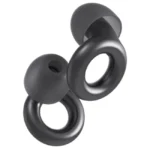
Loop Experience 2
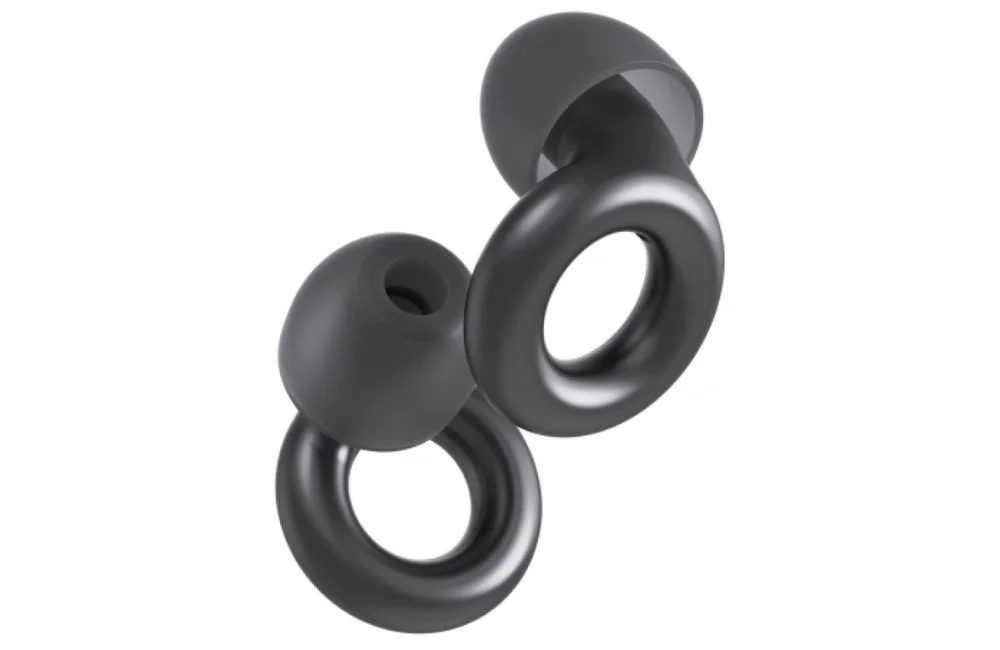
In my opinion, the Loop Experience 2 is the best earplug for concerts available today. It strikes a balance between comfort, sound quality, and design that no other model on this list manages to pull off all at once — and that’s exactly why it tops the ranking.
Comfort: The Loop Experience 2 comes with four sizes of silicone tips, making it suitable for nearly every ear shape. If your ear canals have different diameters (which is more common than you’d think), you can use a different size in each ear. This matters a lot: a plug that’s too small lets harmful sound through, while one that’s too large causes pain after just a few minutes. Properly fitted, the Loop Experience 2 can be worn for hours on end without discomfort — even through an entire day at a festival.
Sound quality: The Loop Experience 2 offers 17 dB of protection (SNR — Single Number Rating, meaning the average number of decibels it blocks), which is enough for most rock and metal shows. Like every model on this list, it has a filter that lowers the volume without muffling the sound, so you still hear every detail of the music, just at a level that’s safe for your ears. In practice, the clarity is excellent.
Value for money: Good concert earplugs are expensive. But the Loop Experience 2 makes up for it: the build quality is excellent and cleaning is simple, which means it can last for years with basic care. For frequent concertgoers, the investment pays off quickly.
Design: The Loop Experience 2 isn’t the most discreet option on this list, but it is, in my opinion, the most attractive. The outer ring, which stays visible on the outside of the ear, makes it look like an earring from a distance. Some versions come in a metallic finish, which only reinforces that impression. Beyond being visually interesting, that ring also serves an important practical function: it’s what allows for a precise fit in the ear canal, making both insertion and removal easier. There’s no risk of it slipping out of your hand or falling to the ground. And once it’s in place, it stays firmly put — so it’s safe to dance, jump, or mosh without worrying about it.
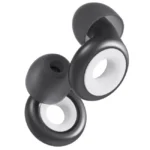
Loop Experience 2 Plus
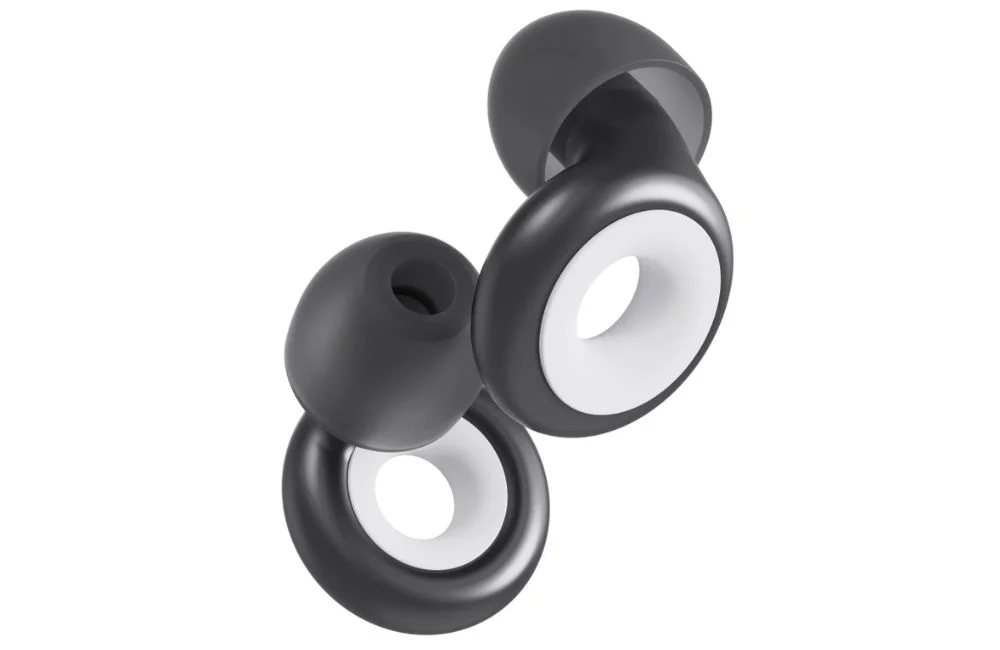
The Loop Experience 2 Plus is the upgraded version of our top pick. The main difference? An accessory that can add extra protection depending on the show you’re at.
Comfort: nearly identical to the Loop Experience 2 in terms of ergonomics — four sizes of silicone tips plus three foam tips, customizable fits for each ear, and comfort for long hours of use. No surprises here.
Sound quality: The Loop Experience 2 Plus offers 17 dB of reduction (SNR), the same as the previous model. What sets it apart is the included Loop Mute accessory. When attached, it adds another 3 dB of protection, bringing the total to 20 dB. For most rock shows, 17 dB is already enough. But there are situations where those extra 3 dB make a real difference — shows at small clubs with questionable sound mixing, for instance, or bands known for extreme highs or lows. Having that option in your bag means having control over your experience.
Value for money: The price difference compared to the Loop Experience 2 is small, but the purchase only really makes sense if you’re a frequent concertgoer or you know you’ll be attending events with particularly aggressive sound. For occasional concertgoers, the Loop Experience 2 already delivers everything you need.
Design: the same range of colors as the Loop Experience 2, including the metallic options that resemble earrings. Same outer ring, same precise fit, same freedom to move around safely. The only visual addition is the Loop Mute, which attaches discreetly to the set and comes in two colors: white or black.
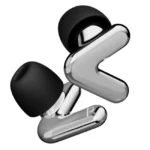
Alpine Tune
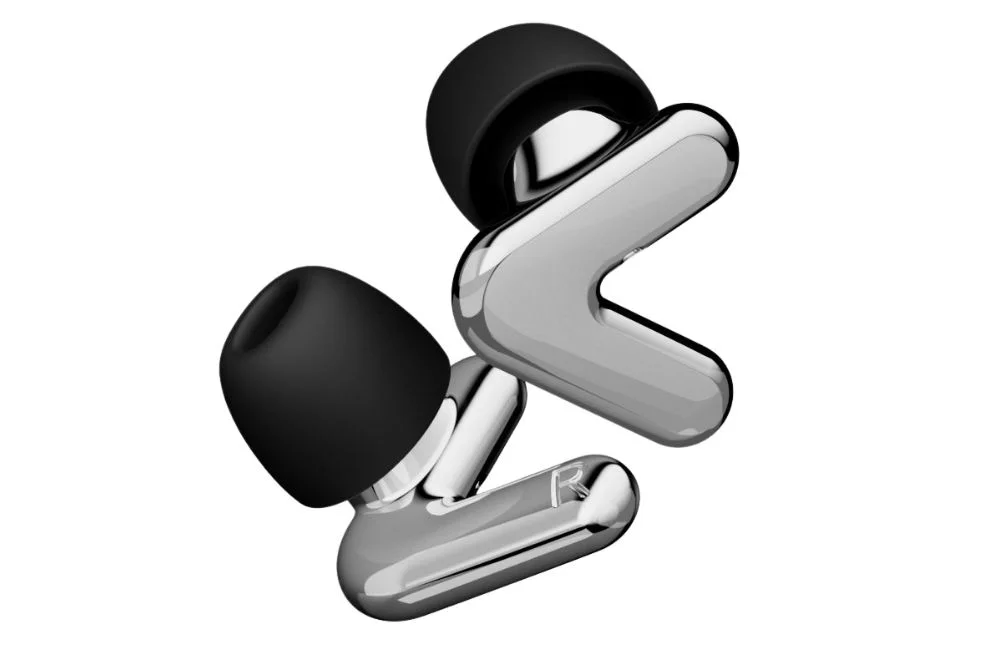
The Alpine Tune is a solid alternative, offering good sound quality and a design detail that makes it much easier to use at a show.
Comfort: it comes with four sizes of tips, covering a good range of ear canal sizes. A proper fit is still the key to making any earplug work correctly, and the Alpine Tune offers that flexibility.
Sound quality: 19 dB (SNR) of reduction, a bit higher than the Loop model in the same price range. For those who attend shows with particularly loud sound or less controlled environments, those extra decibels can make a real difference.
Value for money: The Alpine Tune is a valid choice for anyone who wants more protection and prefers a V-shaped design, as opposed to the ring design used by Loop. In terms of comfort, it’s quite similar to the other models.
Design: available in several colors. The standout design feature is the V-shaped tip, which works similarly to the ring on the Loop: it makes for a precise fit and easy removal, with no risk of dropping it. I personally prefer the ring shape, but that’s a matter of taste. And it isn’t discreet — anyone looking for something that goes unnoticed in the ear will prefer other options on this list, like our next pick, also from Alpine.
Alpine PartyPlug Pro
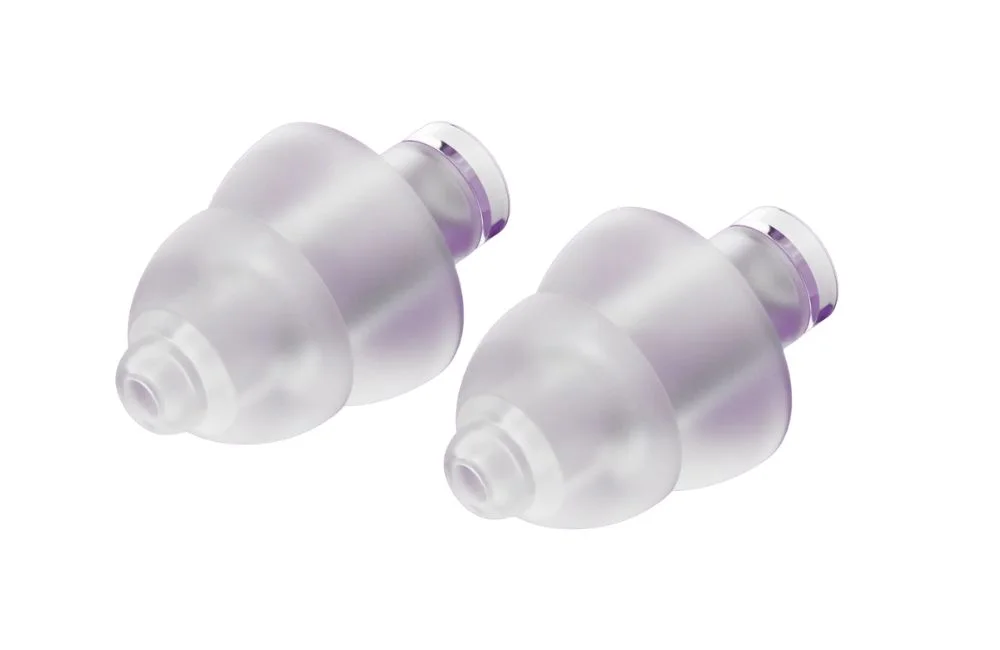
The Alpine PartyPlug Pro has one of the best filters on this list and is the right choice for anyone who wants the lowest possible volume in their ears without sacrificing sound clarity.
Comfort: it comes with three sizes of silicone tips. That’s a smaller range than the previous models, but it still covers most ear sizes. The option to use different sizes in each ear is also available here.
Sound quality: 21 dB (SNR) of reduction, one of the highest on this list among models with a good-quality filter. The Alpine PartyPlug Pro’s filter is remarkably clear, both for music and for conversation. If you’re especially sensitive to loud volumes, or you know you’re heading to a particularly intense show, this model offers the widest margin of protection without losing quality.
Value for money: the protection level is higher than most competitors in this price range, and the filter is genuinely good. The caveat lies in the design (see below), which could be a drawback depending on your preferences.
Design: available in transparent or black, very small and discreet, nearly invisible in the ear. That’s great if you prefer to keep a low profile. The flip side is that, being so small, it can be tricky to insert and remove correctly. Without the ring or V-shaped tip found on other models, getting the fit right takes more attention. When it’s time to take it out at the end of the show, you’ll need to be careful not to drop it.
Eargasm High Fidelity
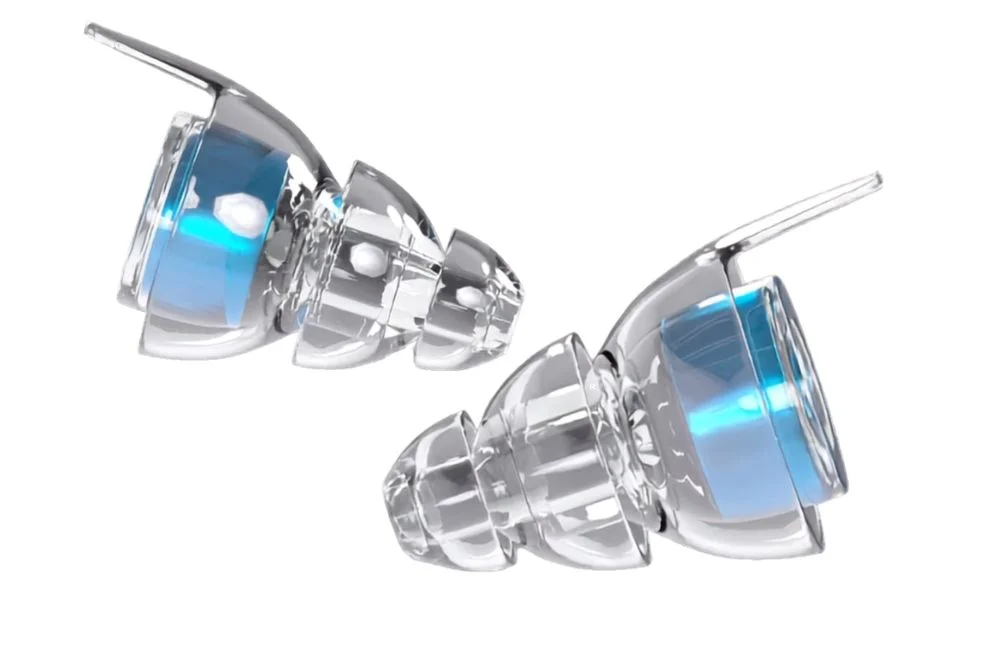
The Eargasm High Fidelity is, without a doubt, a quality earplug (and I love the idea behind the name). It was actually the first model I ever tried. But at the higher end of this list’s price range, it comes with a limitation that weighed on its ranking.
Comfort: this is where the Eargasm’s main problem lies. Unlike the other models on this list, it doesn’t come with three or four interchangeable tip sizes. Instead, you choose between two product sizes (small or standard) when you buy it, each one including two pairs of tips. For anyone buying online without the chance to try it first, this is a real limitation. Getting the right fit from a distance is difficult, and a poor fit undermines both protection and comfort. The soft, hypoallergenic silicone is a plus, but it doesn’t solve the customization problem.
Sound quality: 16 dB NRR (Noise Reduction Rating), a scale that’s more commonly used in the US. In practice, that translates to a reduction of roughly 19 to 21 dB (SNR). The filter preserves ambient sound well without silencing everything around you — in this respect, it’s very good.
Value for money: this is one of the priciest models on the list. Sound quality is good, but the lack of tip variety for a customized fit — something every cheaper competitor offers — is a hard drawback to overlook in a product positioned as premium.
Design: small and discreet. The same caveats as the Alpine PartyPlug Pro apply here: that discretion comes at the cost of harder insertion and removal. With no ring or V-shaped tip to help, handling requires extra care.
Mack’s Hear Plugs
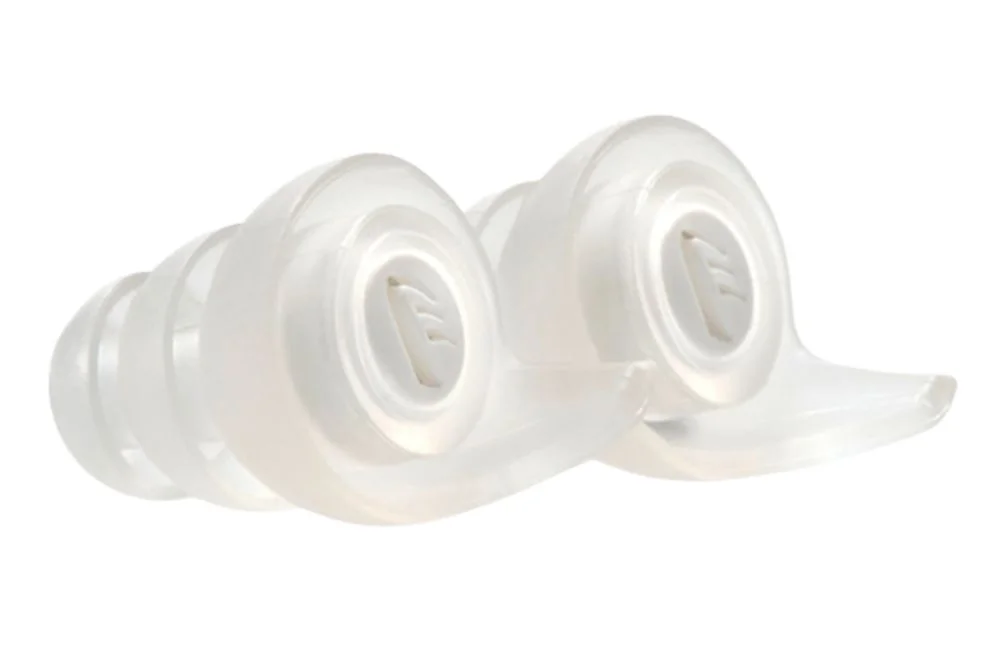
If budget is your main constraint, Mack’s Hear Plugs is the most honest entry point on this list. It doesn’t compete with the models above on customization or maximum protection, but it delivers the essentials with quality, at less than half the price.
Comfort: it comes with two sizes of soft tips, meaning less variety than the pricier models, but still with the option of using different sizes in each ear. For many users, two sizes are enough to find the right fit.
Sound quality: 12 dB NRR, equivalent to roughly 15 to 17 dB SNR of protection — the lowest on this list. For moderate-volume shows, or for anyone just starting out with earplugs and wanting to try the experience before investing more, that may well be enough. For metal shows with very high volumes, it may fall short, in which case it’s worth considering one of the models above.
Value for money: this is Mack’s strong suit. For anyone who only goes to a handful of shows a year and wants protection without spending much, it does the job respectably. It’s also a good option to keep in your bag as a backup, in case you forget your main earplugs at home.
Design: transparent, small, and discreet. The same insertion and removal difficulties that come with small models apply here too. But for the price, it’s an honest option.
What are SNR and NRR, and what do those numbers mean?
When comparing earplugs, you’ll come across two different acronyms used to measure protection in decibels: SNR and NRR. Understanding the difference will save you some confusion when choosing.
SNR stands for Single Number Rating, and it’s the standard used in Europe. It indicates the average noise reduction an earplug provides, in decibels, accounting for a wide range of sound frequencies. The SNR calculation already factors in real-world variation, so the number on the packaging is a fairly close estimate of what you’ll actually experience.
NRR stands for Noise Reduction Rating, and it’s the standard used in the United States, following guidelines from the US occupational safety agency (OSHA). It represents the reduction an earplug can offer under ideal conditions, but applies a more conservative safety calculation, which typically results in a rating 3–5 dB lower than the equivalent SNR.
So SNR numbers tend to run 3–5 dB higher than NRR numbers — not because one earplug is better than the other, but because the two systems calculate things differently. An earplug rated SNR 20 dB and one rated NRR 17 dB could, in practice, be delivering very similar protection. Because of this, SNR and NRR shouldn’t be compared directly against each other.
What matters most is that the earplug is certified.
How many decibels does a rock show hit? And at what point does volume become harmful?
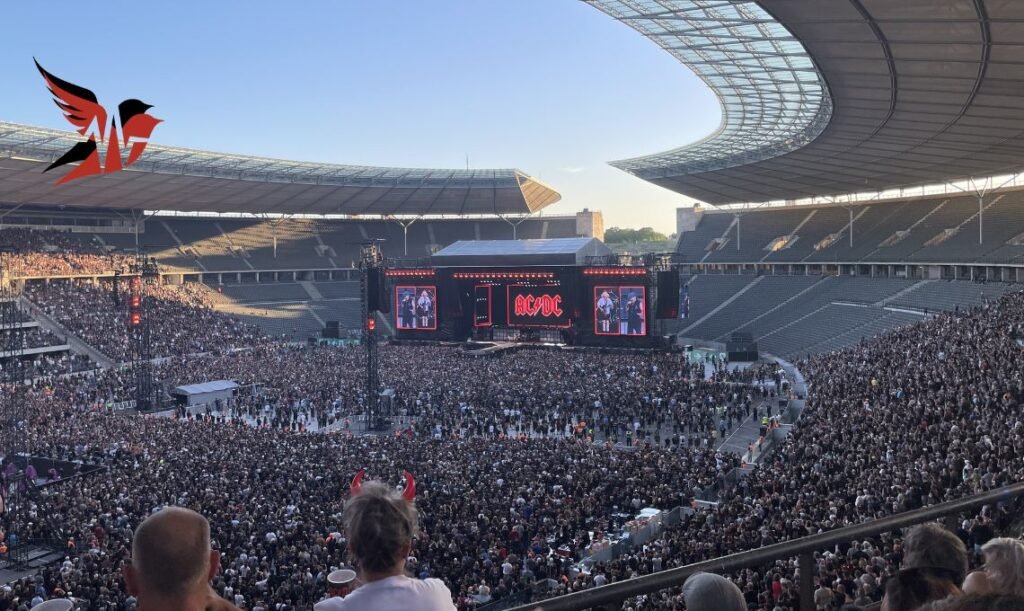
To understand why using earplugs isn’t overkill, let’s look at the numbers.
Most rock shows run between 95 dB and 115 dB. Heavy metal shows tend to sit at the higher end of that range. During peak moments — a drum fill, a piercing scream — levels can spike even higher for a few seconds.
The World Health Organization (WHO) recommends avoiding continuous unprotected exposure at concerts above 100 dB. It’s a mistake to think that an extra 3 dB is “just a little louder” — a person can receive roughly the same “sound dose” listening at 80 dB for 8 continuous hours as they would listening at 100 dB for just 5 minutes. So exposure time matters just as much as volume.
That’s why a good strategy for resting your ears at very long, very loud shows — like metal festivals — is to seek out quieter areas and take 15-minute breaks there.
Just to put things in perspective, pyrotechnic explosions can also generate extremely high sound peaks, well above that safety threshold, and can cause immediate ear damage (this reminds me of a salesperson at a Fnac store who recommended my first pair of earplugs — he told me he’d lost part of his hearing after a Rammstein show).
So for anyone who loves going to shows, like you and me, going without ear protection means we’re constantly taking in — and accumulating — these effects on our hearing.
Volume depends on where you’re standing
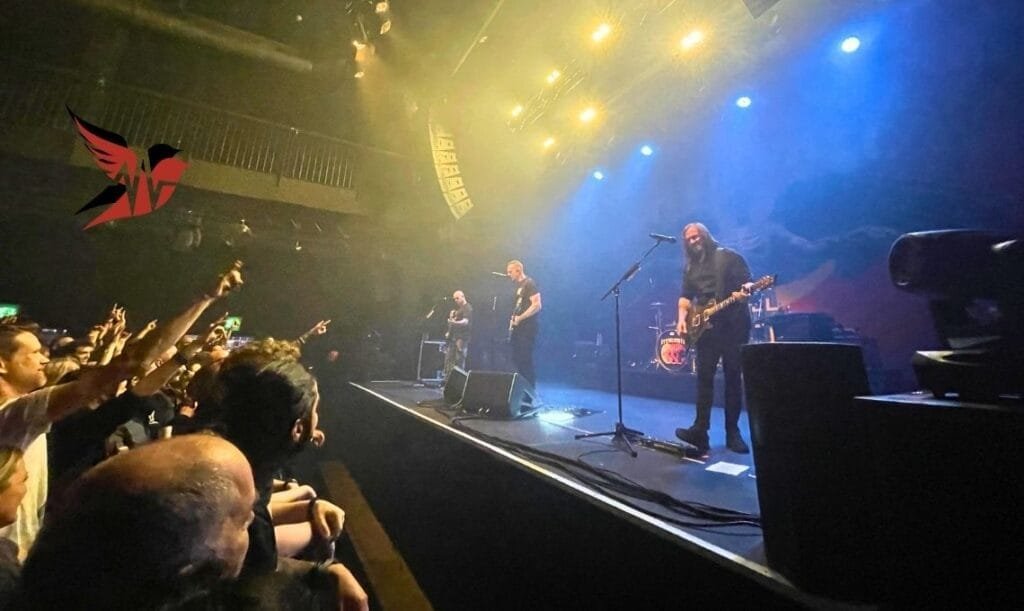
Here’s something a lot of people don’t know: the decibel limit set by health and safety regulations — usually a 100 dB ceiling at events in many parts of the world — is measured at the sound board, which sits in front of the stage, several meters back. That’s the sound engineer’s reference point.
Anyone in the front rows, right next to the speakers, is getting hit with a much higher level. Sound disperses with distance, and the engineer mixes the system so the sound carries well all the way to the back of the venue. The closer you are to the speakers, the more intensity you’re taking in.
The size and acoustic treatment of the venue matter too. In small, enclosed spaces, walls reflect sound and can amplify certain frequencies, especially in corners. A small club can actually be acoustically harsher than a stadium, even with a much smaller sound system.
Do phone decibel meter apps actually work at concerts?
Sort of. Understanding the difference matters, so you don’t end up with a false sense of security.
Sound-level apps on your phone work reasonably well for getting a general sense of how loud your surroundings are. They’re useful for noticing when a venue is clearly above safe levels and deciding whether it’s time to put your earplugs in. For that purpose, they do a solid job.
The issue is precision. A smartphone microphone wasn’t built to capture sound pressure levels with the accuracy of a calibrated professional meter. At very high volumes — exactly the kind you get at a show — it can misread the actual level. In other words: the app might show 98 dB while your ears are actually taking in 108 dB.
There’s also the question of weighting. Sound meters use mathematical filters to approximate how the human ear perceives sound, since we’re more sensitive to some frequencies than others. Each filter weighs frequencies differently. So you may not know which weighting an app is using, and that can mean the number on your screen doesn’t line up with what OSHA or the WHO would classify as safe or unsafe.
If you want to use an app to monitor volume at shows, the most popular options are NIOSH SLM (for iPhone), developed by the US National Institute for Occupational Safety and Health, and Decibel X (for Android). The Apple Watch also has a built-in app called Noise that monitors ambient sound in real time. These are useful tools, as long as you treat them as estimates, not absolute truth.
Best power bank for concerts: what to look for before you buy
The loudest shows in rock history
Rock and metal have always been tied to loud sound (and honestly, that’s part of what we love, right?). So it’s no surprise a few bands have thrown some genuinely deafening shows over the years. It’s hard to rank the loudest shows in history, since not all of them were officially measured.
A few shows are well known for pushing decibel levels to the extreme. Deep Purple was the first band to enter the Guinness Book of World Records as the loudest band on Earth, after a show at London’s Rainbow Theatre in 1972 that hit 117 dB. The Who followed in 1976 in London, reaching 126 dB at a stadium show. Manowar hit 129.5 dB during a 1994 show in Hanover. And more recently, Kiss reached 136 dB during a 2009 show in Ottawa — loud enough that police had to step in.
There are also bands famous for just being loud live in general, like Motörhead’s countless shows, or the many stories that surround My Bloody Valentine’s live performances.
Why do we love loud sound so much anyway?
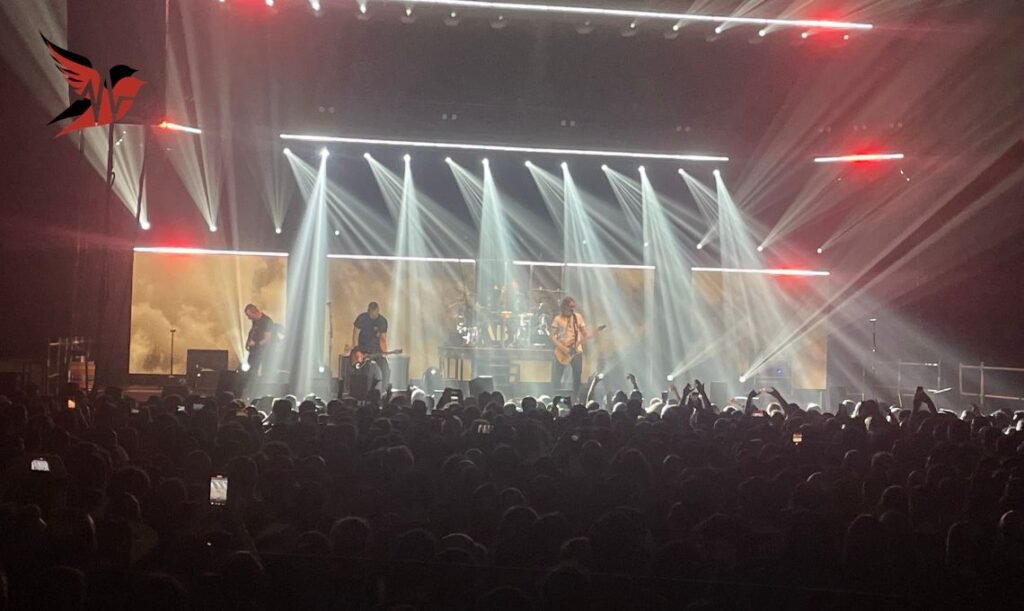
Why is it that so many people prefer loud music, even knowing the risks?
I came across an interesting study on this, and even though it wasn’t specifically about rock, the reasons it points to make a lot of sense. People may prefer loud music because it heightens excitement, makes socializing easier, drowns out unwanted thoughts, and reinforces a sense of personal and cultural identity.
Especially in rock and metal, loud volume is an essential part of the experience. How many times have we felt that catharsis — the physical intensity of sound in our bodies? Enjoying that is completely legitimate; it’s part of what we’re chasing when we go see live music.
Live DMA, the European association representing festivals and live music venues, makes precisely this argument: that music isn’t noise, and that overly strict volume regulations can threaten artistic freedom and the integrity of genres where loud volume is part of the aesthetic experience itself — genres like heavy metal, punk, and industrial.
That’s a genuinely valid point of view. The goal here isn’t to convince anyone that loud sound is wrong. It’s to make sure that choosing to expose yourself to it is an informed choice.
Does ringing after a show mean permanent damage?
It depends. That immediate ringing right after a show — the whistling or buzzing that lasts a few hours — is a warning sign. It’s your ears telling you things went a bit too far. Most of the time, that ringing fades after a few hours of rest in a quiet environment, which means your ear cells were stressed but recovered.
The real problem starts when the ringing takes a long time to fade, becomes frequent, or never fully goes away. That’s a sign something more serious may be happening — potentially a breakdown in the connections between your inner ear cells and the nerve that carries sound to your brain. This kind of damage doesn’t always show up on standard hearing tests, but it tends to show up as trouble following conversations in noisy environments, like a crowded restaurant, a party, or catching up with friends after a show.
If ringing lasts more than 48 hours after a show, it’s worth seeing an ENT doctor.
How often do I actually need to wear earplugs?
Hearing damage is cumulative, and there’s no magic number of shows that’s considered “safe.” Every unprotected exposure adds a bit more stress to your hearing system, and that damage builds up over years. By the time symptoms are obvious, the damage is already done.
The good news is that ears do have some capacity to recover — but that capacity shrinks with age and with how often you’re exposed to loud sound. If you go to one show a year and walk away without ringing, you’re probably fine without earplugs. But if you’re at shows every month, hit festivals regularly, play in a band, or work at a venue, you’re accumulating sound exposure continuously. For that kind of lifestyle, earplugs aren’t optional.
What to know before putting in your earplugs at a show
Earplugs are a simple product, but using and cleaning them correctly matters if you want them to actually work.
Correct insertion: an earplug only works if it’s properly seated. Insert it too shallow, and it won’t seal the ear canal, letting in exactly the sound you’re trying to block. But the opposite extreme is also a problem — pushing it in too deep can cause discomfort, pressure, or even irritation in the canal. The general rule: insert it until it feels firm and stable, without forcing it.
Keep it clean: reusable earplugs, like all hi-fi models, need regular cleaning. The ear canal is a warm, moist environment, and a dirty earplug can build up bacteria and cause infections. After every use, clean your earplugs according to the manufacturer’s instructions. Never reuse an earplug that’s visibly dirty or damaged.
Watch for pre-existing conditions: if you have a history of eczema in the ear canal, ear discharge, or any kind of inflammatory reaction on the skin of your outer ear, talk to a doctor before using insert-style earplugs. In these cases, using them can make the condition worse.
The occlusion effect: first-time earplug users often find it a bit strange, because their own voice sounds different — deeper, more “hollow,” almost like it’s echoing inside your head. That’s normal, and it even has a name: the occlusion effect. It happens because the earplug changes the natural acoustic properties of your ear canal. With a well-fitted pair of hi-fi earplugs, this effect is much less noticeable than with foam plugs, but it can still show up if the fit isn’t quite right. If you notice it, try adjusting the placement slightly.
Do earplugs ruin the concert experience?
This is the most common question, and the answer is: it depends on the earplug. With foam plugs, yes — the experience takes a real hit. The sound gets muffled, loses definition, and the music ends up sounding like it’s coming from far away. You get protection, but at the cost of the experience.
With high-fidelity earplugs, as we covered above, it’s a completely different story. The acoustic filter reduces volume proportionally across all frequencies. That means highs, mids, and lows are all reduced equally, preserving the balance and clarity of the sound. In practice, you’re hearing the exact same music — just at a slightly lower volume.
Without that constant sonic bombardment, you leave the show far less drained. The auditory fatigue that usually kicks in after hours of loud exposure drops significantly, and you sleep better that night.
Do foam earplugs work for concerts?
They work, but with some important caveats.
Foam plugs are the oldest and cheapest type of hearing protection on the market. The most well-known models are the disposable ones from brands like 3M and Mack’s, which are inexpensive and easy to find at pharmacies and safety equipment stores. Depending on the model, they offer noise reduction ranging from about 16 dB to 35 dB.
The issue is the lack of a filter. While the hi-fi earplugs covered in this guide use acoustic filters to reduce volume proportionally across all frequencies, foam plugs simply block sound altogether. The result is that muffled, undefined feeling you get when everything sounds flat. The listening experience takes a real hit.
That’s why foam plugs aren’t the ideal choice if you want to properly enjoy a show. But there are situations where they’re still better than nothing.
When foam plugs make sense at a show
- You’re standing right next to a speaker in a small club with clearly unregulated sound levels
- The band has extremely aggressive highs or lows and you don’t have another option on hand
- You forgot your hi-fi earplugs at home and found foam plugs being handed out at the entrance (exactly what happened to me at that Judas Priest show)
Foam plugs are disposable and single-use. Unlike the reusable hi-fi models covered in this guide, they don’t have a long lifespan and aren’t a solid long-term investment.
How long can I stay at a show without earplugs?
At a show averaging 100 dB — pretty standard for a rock concert — the safe unprotected exposure limit is roughly 1 hour.
That doesn’t mean a longer show without earplugs is going to leave you deaf. It does mean your hearing starts accumulating damage. How much damage depends on the exact volume, your individual sensitivity, how many other unprotected exposures you’ve already had over your lifetime, how spaced out they were, and how well your body is able to recover.
What is certain: spending 2 hours at a metal show without protection means taking in a sound dose well beyond what the human ear was built to handle. Good earplugs let you keep enjoying great music at loud volumes — just safely.
What’s the best earplugs for kids at concerts?
Bringing a kid to a show is an amazing experience — and it comes with an even bigger hearing-protection responsibility than the one we carry for ourselves. Children’s ears are more sensitive and more vulnerable to damage from loud sound, and the effects of overexposure can follow a child for the rest of their life.
The good news is that there are earplugs designed specifically for kids, and they’re quite different from the adult models covered in this guide.
What’s different about kids’ earplugs
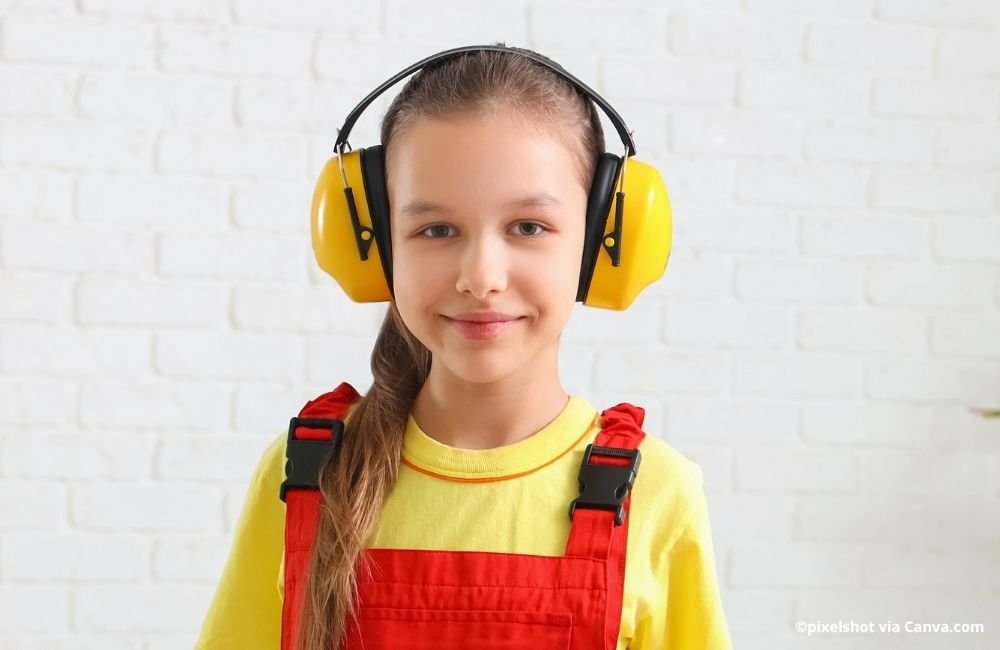
For children, the recommended format isn’t the insert type (the kind that goes inside the ear canal), but rather over-ear muffs — the kind that cover the entire ear, similar to headphones. This format is safer and more comfortable, since it doesn’t require a precise fit inside the ear, which would be hard to get right in small ear canals.
What to look for when choosing
Age range and size: kids’ models usually list a recommended age range. Stick to it — an earplug that’s too big won’t seal properly, and one that’s too small will pinch and cause discomfort. Many models are adjustable, which extends their usable life as the child grows.
Protection level: for kids at concerts, look for at least 25 dB of noise reduction — higher than what most of the adult models in this guide offer. Children’s ears need a bigger safety margin.
Lightness and softness: a child isn’t going to tolerate an uncomfortable earplug for very long. Prioritize models with soft padding and lightweight materials that won’t feel heavy on their head over hours of use.
Beyond the earplugs themselves, it’s also worth thinking about exposure time and where you’re standing in the crowd. Staying away from the main speakers and taking breaks in quieter areas during the show both help reduce the cumulative sound dose.